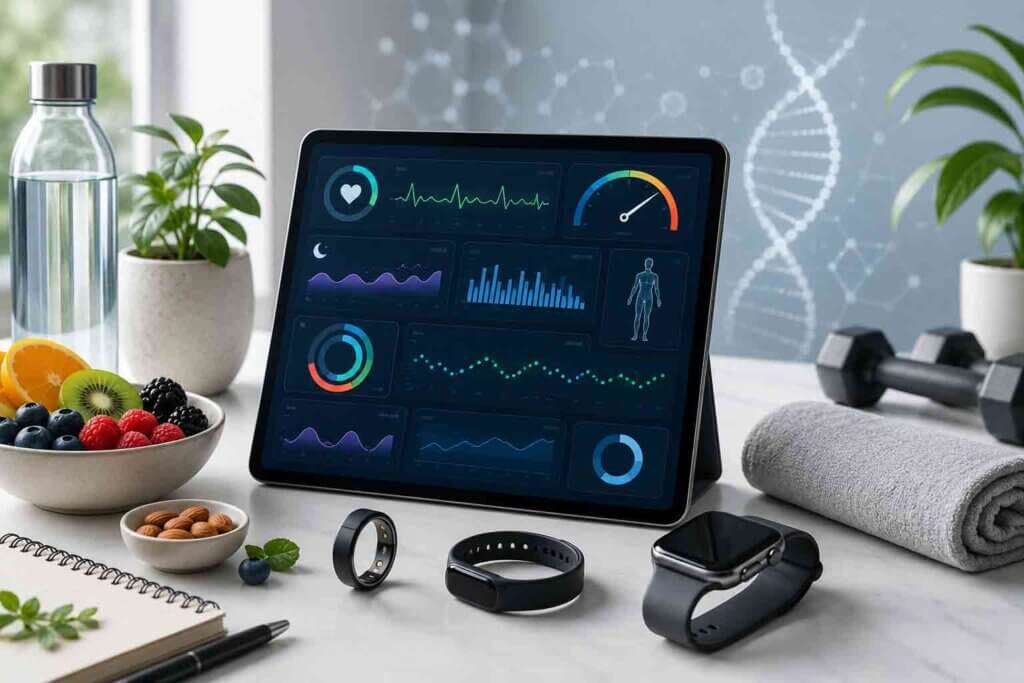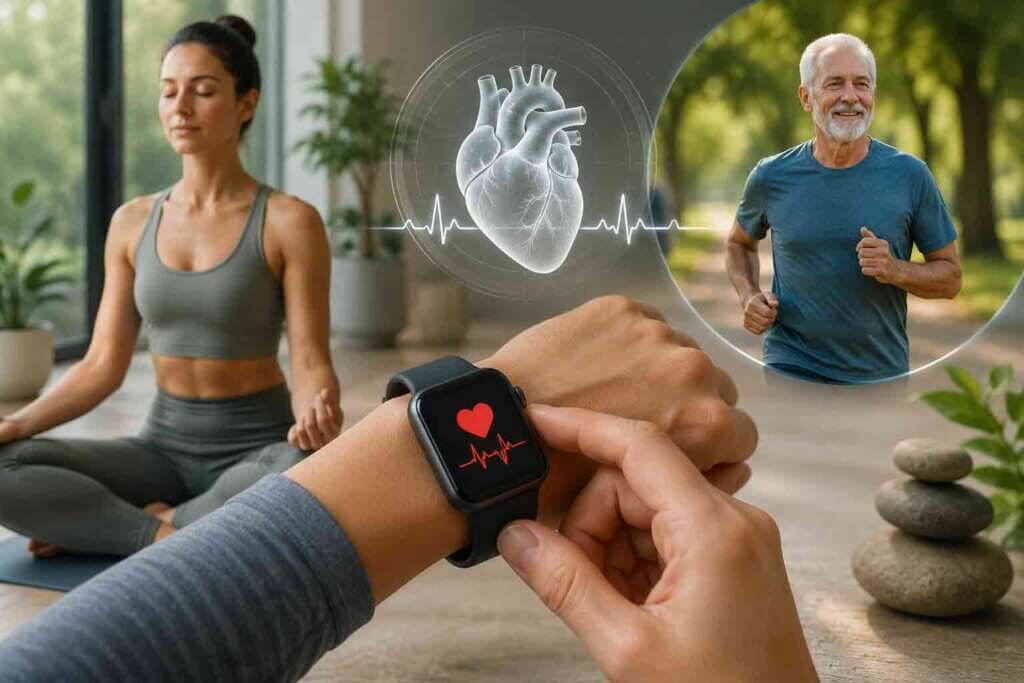
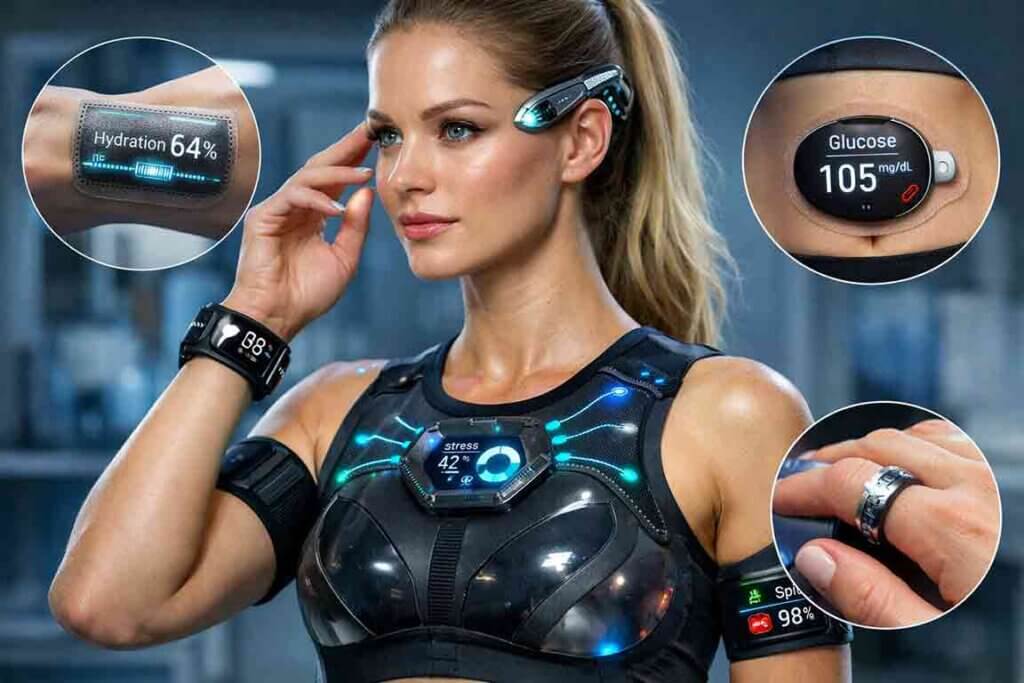
Health monitoring has come a long way from the days of annual checkups and paper charts. Today, a new generation of technology is doing something far more sophisticated: it is listening to your body in real time, responding to what it hears, and adapting its behavior accordingly. These devices are called bioresponsive wearables, and they are quietly rewriting the rules of personal healthcare.
Unlike traditional fitness trackers that simply count steps or measure heart rate on demand, bioresponsive wearables are embedded with sensors capable of detecting subtle biochemical and physiological changes happening beneath the skin. They do not just observe. They respond. And that single distinction is what makes them so transformative.
What Are Bioresponsive Wearables?
Bioresponsive wearables are smart devices worn on or near the body that can detect biological signals, analyze them using onboard or cloud-based intelligence, and in many cases, trigger an automated response based on what they find. These responses can range from sending an alert to a smartphone, to actively delivering a therapeutic intervention such as cooling, electrical stimulation, or even medication release.
The term “bioresponsive” is the key differentiator here. Traditional wearables are passive data collectors. Bioresponsive wearables are active participants in your health. They close the loop between sensing and responding, which is something that health technology has been working toward for decades.
These devices typically integrate biosensors, microprocessors, wireless communication modules, and increasingly, artificial intelligence algorithms that can interpret complex data streams and make decisions in real time.
How Bioresponsive Wearables Work
The Sensing Layer
At the foundation of every bioresponsive wearable is its sensing capability. Modern biosensors embedded in these devices can measure an impressive range of biological markers. These include heart rate variability, blood oxygen levels, skin temperature, sweat composition, cortisol levels, glucose concentrations, galvanic skin response, and even early markers of inflammation or infection.
Some of the most exciting advances involve electrochemical sensors that can analyze sweat in real time to detect electrolyte imbalances, hydration levels, and metabolic byproducts. Others use optical sensors that shine light through the skin to detect changes in blood chemistry without a single needle prick.
The Processing and Response Layer
Once raw biological data is captured, it needs to be interpreted. This is where artificial intelligence and machine learning come in. Onboard processors or cloud-connected platforms analyze the incoming data against personalized baselines, population health models, and clinical thresholds. When a meaningful deviation is detected, the system initiates a response.
That response might be as simple as a vibration alert on your wrist or as complex as a closed-loop drug delivery system that automatically adjusts insulin doses for a diabetic patient based on continuously monitored glucose levels. The sophistication of the response layer is what separates a truly bioresponsive device from a standard health tracker.
The Key Benefits of Bioresponsive Wearables in Health Monitoring
Continuous and Proactive Health Surveillance
One of the most significant advantages of bioresponsive wearables is their ability to monitor health continuously rather than episodically. Traditional medical monitoring happens in snapshots, a blood pressure reading at a clinic, a glucose test in the morning, an ECG during a scheduled visit. These snapshots often miss the moments that matter most.
Bioresponsive wearables operate around the clock. They can detect the early warning signs of a cardiac event hours before it becomes life-threatening. They can identify a dangerous drop in blood sugar during sleep when a person cannot feel the symptoms. They can notice the physiological patterns associated with a panic attack and deliver calming biofeedback before the episode escalates. This shift from reactive to proactive healthcare is perhaps the most profound benefit these devices offer.
Personalized Health Insights
Not all bodies are the same. What constitutes a dangerous heart rate for one person might be entirely normal for an athlete. Bioresponsive wearables learn your personal biological baseline and flag deviations that are meaningful for you specifically, rather than applying one-size-fits-all thresholds.
Over time, these devices build an increasingly detailed picture of your unique physiology. They can detect how your body responds to stress, sleep deprivation, dietary changes, exercise, and medication, and use that knowledge to make their monitoring and responses more precise with every passing day.
Empowering Patients With Chronic Conditions
For individuals managing chronic illnesses such as diabetes, heart disease, epilepsy, or asthma, bioresponsive wearables represent a genuine quality-of-life transformation. Continuous glucose monitors paired with smart insulin pumps have already demonstrated that closed-loop systems can dramatically improve glycemic control and reduce dangerous hypoglycemic episodes.
Epilepsy patients are benefiting from wearables that can detect the unique physiological signatures that precede a seizure, giving them and their caregivers precious seconds to prepare. Asthma patients are wearing devices that monitor breathing patterns and environmental triggers, enabling more targeted and timely use of inhalers.
Cutting-Edge Technologies Driving Bioresponsive Wearables
Flexible and Electronic Skin Sensors
Traditional electronics are rigid. Human skin is not. One of the most exciting developments in the bioresponsive wearable space is the creation of flexible electronic skin, also known as e-skin, that conforms to the body’s curves and moves with it naturally.
These ultra-thin, stretchable sensor patches can be applied to almost any part of the body and maintain consistent contact with the skin during movement, sweat, and even washing. Researchers have developed e-skin sensors capable of monitoring temperature, pressure, biopotentials, and biochemical markers simultaneously, all without the discomfort of traditional medical monitoring equipment.
Sweat-Based Biomarker Analysis
Sweat is far more informative than most people realize. It contains a rich mixture of electrolytes, metabolites, hormones, and proteins that reflect what is happening inside the body at a biochemical level. Bioresponsive wearables equipped with advanced sweat sensors are now capable of measuring lactate levels during exercise, cortisol concentrations during stress, glucose levels for diabetes management, and uric acid levels relevant to gout and kidney health.
The ability to extract this kind of diagnostic information from sweat noninvasively and continuously is a game-changer. It brings laboratory-grade biochemical analysis to the wrist or the arm, available at all times without a clinic visit.
AI-Powered Predictive Algorithms
The raw data generated by bioresponsive wearables is only as valuable as the intelligence applied to it. Artificial intelligence algorithms trained on vast datasets of physiological information are making it possible to detect patterns that no human clinician could identify by looking at a stream of numbers.
Machine learning models are being trained to predict atrial fibrillation episodes, detect the early onset of infections, identify signs of mental health deterioration, and even flag the early biochemical markers of conditions like Alzheimer’s disease, years before clinical symptoms appear. This predictive capability transforms wearables from health monitors into genuine early warning systems.
Bioresponsive Wearables in Mental Health Monitoring
Mental health is an area where bioresponsive wearables are making surprisingly significant strides. Stress, anxiety, and depression all have measurable physiological correlates including changes in heart rate variability, cortisol levels, sleep architecture, and galvanic skin response.
Wearables are now capable of tracking these markers continuously and identifying when a person’s stress burden is reaching dangerous levels. Some devices can deliver real-time interventions such as haptic biofeedback that guides the user through breathing exercises, or gentle electrical stimulation that activates the parasympathetic nervous system to induce calm.
Sleep Monitoring and Optimization
Sleep is one of the most important determinants of overall health, and bioresponsive wearables are bringing sleep science out of the lab and into the bedroom. Advanced sleep-tracking wearables can differentiate between sleep stages, detect sleep apnea patterns, monitor nocturnal heart rate variability, and even measure blood oxygen drops that signal dangerous breathing interruptions during the night.
Some devices go further by using this data to optimize wake-up timing, gently rousing the user during the lightest phase of sleep to minimize grogginess, or delivering subtle haptic cues to encourage a shift in sleeping position when apnea signals are detected.
The Role of Bioresponsive Wearables in Preventive Healthcare
Shifting the Healthcare Model from Treatment to Prevention
The current healthcare system is largely built around treating disease after it has already developed. Bioresponsive wearables have the potential to fundamentally shift this model toward prevention and early intervention, which is both better for patients and significantly less costly for healthcare systems.
When a wearable detects the early signs of cardiovascular strain weeks before a heart attack, when it identifies a pattern of rising cortisol that predicts burnout, or when it flags a glucose trend that suggests the development of pre-diabetes, it gives both the patient and their doctor the opportunity to intervene before a crisis occurs. Over time, this could translate into significantly lower rates of hospitalization and emergency care.
Integration With Telehealth and Remote Patient Monitoring
Bioresponsive wearables do not exist in isolation. They are increasingly integrated into telehealth platforms and remote patient monitoring systems that allow physicians to track their patients’ health data in real time without requiring them to come into a clinic. This is particularly valuable for elderly patients, those in rural areas, and individuals managing multiple chronic conditions who would otherwise require frequent in-person visits.
Physicians can set personalized alert thresholds for their patients, receive automated notifications when those thresholds are crossed, and initiate a telehealth consultation immediately. This kind of continuous connected care was simply not possible before wearable technology reached its current level of sophistication.
Challenges and Considerations
Data Privacy and Security
With the power of continuous biological monitoring comes an enormous responsibility around data privacy. The information collected by bioresponsive wearables is among the most personal data a human being can generate. It reveals not just physical health, but emotional states, behavioral patterns, and potentially sensitive medical conditions.
Ensuring that this data is encrypted, stored securely, and used only with the explicit consent of the user is a challenge that the industry is still actively grappling with. Regulatory frameworks around health data privacy, such as HIPAA in the United States and GDPR in Europe, provide some guardrails, but the pace of technological development often outstrips the pace of regulation.
Clinical Validation and Regulatory Approval
Not all bioresponsive wearables are created equal, and not all of them have been subjected to the rigorous clinical validation that medical devices typically require. Distinguishing between consumer wellness products and clinically validated medical devices is an important consideration for both patients and healthcare providers.
Regulatory bodies like the FDA are developing new frameworks for evaluating the safety and effectiveness of health wearables, but the field is evolving faster than the approval processes can comfortably keep pace with. Users and clinicians alike need to be thoughtful about which devices they trust for genuine medical decision-making.
The Future of Bioresponsive Wearables
The trajectory of bioresponsive wearable technology points toward devices that are smaller, smarter, more accurate, and more deeply integrated with the broader healthcare ecosystem. Research is already underway on implantable bioresponsive microsensors that can monitor internal chemistry far more precisely than any external device. Ingestible sensors that transmit data from inside the gut are being tested for applications in digestive health and drug absorption monitoring.
The integration of nanomaterials, quantum dot sensors, and lab-on-a-chip technologies is expected to dramatically expand the range of biomarkers that can be detected at the wearable level. Meanwhile, advances in edge computing will allow more sophisticated AI processing to happen directly on the device, reducing latency and improving real-time responsiveness.
In the not-too-distant future, a bioresponsive wearable may be able to detect the earliest molecular signals of cancer, monitor the effectiveness of a prescribed medication in real time, or provide personalized nutritional guidance based on continuous metabolic monitoring. The possibility space is genuinely enormous.
Conclusion
Bioresponsive wearables are not just an incremental improvement on the fitness tracker. They represent a fundamental reimagining of what health monitoring can be. By closing the loop between biological sensing and intelligent response, they are moving healthcare from a system that reacts to illness toward one that anticipates and prevents it.
For patients with chronic conditions, they offer newfound independence and safety. For healthy individuals, they offer a level of self-knowledge and proactive awareness that previous generations could not have imagined. For healthcare systems under pressure, they offer a pathway toward more efficient, preventive, and personalized care delivery.
The technology is still maturing, challenges around data privacy, clinical validation, and equitable access remain real, but the direction of travel is unmistakable. Bioresponsive wearables are transforming health monitoring, and as the sensors get smarter and the algorithms get more powerful, that transformation is only going to accelerate.
Frequently Asked Questions
Q1: What makes bioresponsive wearables different from regular fitness trackers?
Regular fitness trackers passively collect data like steps and heart rate. Bioresponsive wearables go further by analyzing biological signals in real time and triggering an active response, such as an alert, biofeedback, or even automated therapy, based on what they detect.
Q2: Can bioresponsive wearables replace doctor visits?
Not entirely. They are powerful tools for continuous monitoring and early detection, but they work best as a complement to professional medical care rather than a replacement. They help doctors make better, faster, and more informed decisions remotely.
Q3: Are bioresponsive wearables safe to use every day?
Most consumer-grade and clinically validated bioresponsive wearables are designed for safe daily use. However, users should verify that their device has appropriate regulatory approval, especially if they intend to use it for medical decision-making.
Q4: How do bioresponsive wearables protect my health data?
Reputable devices use encryption and secure cloud storage to protect user data. It is important to review the privacy policy of any wearable you use and ensure it complies with regulations like HIPAA or GDPR depending on your region.
Q5: Who benefits most from bioresponsive wearables?
While anyone can benefit, people managing chronic conditions like diabetes, heart disease, or epilepsy gain the most immediate value. Athletes, elderly individuals, and those in remote areas with limited clinic access also stand to benefit significantly from this technology.