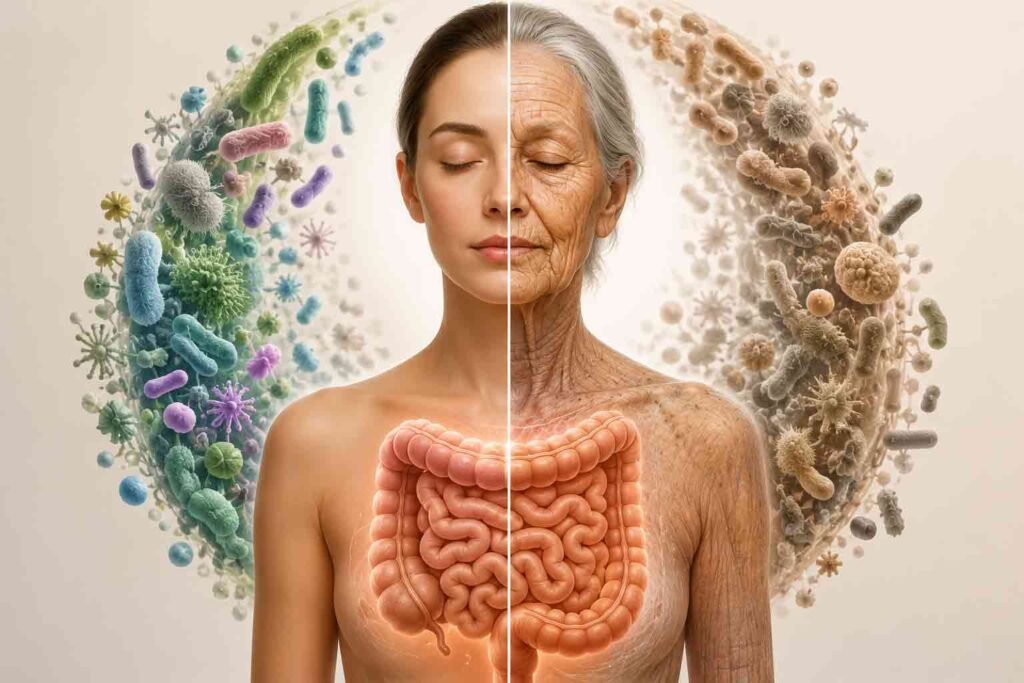

You spend roughly one-third of your life asleep, and yet most people treat sleep like an inconvenient pause between two busy days. What if that pause was actually the most powerful anti-aging therapy available to you, completely free, with zero side effects? Science says it is. Understanding the 4 sleep stages, and particularly why deep sleep stands above the rest, could completely change how you think about your nightly rest.
What Are the 4 Sleep Stages?
Sleep is not a single, uniform state. Your brain and body cycle through four distinct stages every night, each one serving a different biological purpose. These stages are organized into roughly 90-minute cycles, and a healthy adult goes through four to six of these cycles per night. The four stages are divided into two broad categories: Non-REM sleep (which includes Stages 1, 2, and 3) and REM sleep (Stage 4).
Each stage plays a unique role in physical repair, memory consolidation, hormonal regulation, and cellular renewal. Missing any of them consistently has real consequences, but as you will see, it is Stage 3, deep sleep, that does the heaviest lifting when it comes to slowing down the aging process.
Stage 1: Light Sleep and the Transition Into Rest
Stage 1 is the doorway between wakefulness and sleep. It typically lasts between one and seven minutes. Your muscles begin to relax, your heartbeat slows, your eye movements become slow and rolling, and your brain starts producing theta waves, which are slower than the alpha waves associated with relaxed wakefulness.
This is the stage where you might experience a sudden jerk or falling sensation, known as a hypnic jerk. It is completely normal and simply a sign that your nervous system is shifting gears. Stage 1 is the lightest form of sleep, and you can be easily woken during it. While it may seem insignificant, it is the necessary on-ramp your body needs to reach the deeper, more restorative stages.
Stage 2: The Body Begins Its Housekeeping
Stage 2 is where you spend the most total sleep time across a night, roughly 45 to 55 percent of your overall sleep. Your body temperature drops, your heart rate slows further, and your eye movements stop completely. The brain begins producing sleep spindles, which are brief bursts of rapid brain activity, alongside K-complexes, which are large, slow waves that help suppress external disturbances and protect sleep continuity.
Stage 2 is critical for motor learning and procedural memory. If you are learning a new skill, whether it is playing an instrument, a new sport, or a work-related task, Stage 2 sleep is where your brain quietly rehearses and cements that learning. It also plays a role in cardiovascular health by giving your heart a sustained period of low-demand operation.
Stage 3: Deep Sleep, the Anti-Aging Powerhouse
This is the stage that deserves the most attention. Stage 3 is called slow-wave sleep (SWS) because the brain produces its slowest, largest brain waves, called delta waves. It is the hardest stage to wake someone from. If you have ever tried to rouse a deep sleeper and found them groggy and disoriented, that is delta sleep at work.
Deep sleep is concentrated heavily in the first half of the night, which is one reason why cutting your sleep short, even by an hour or two, disproportionately reduces the amount of deep sleep you get. This single fact has massive implications for anyone who thinks they can “make up” lost sleep on weekends.
What Happens in Your Body During Deep Sleep?
During Stage 3 deep sleep, your body goes into full repair mode. Human Growth Hormone (HGH) is released in its highest concentrations during this stage. HGH is responsible for tissue repair, muscle growth, fat metabolism, and cellular regeneration. It is essentially your body’s internal fountain of youth, and it is released almost exclusively while you are in deep sleep.
Your immune system also ramps up during deep sleep. Cytokines, which are proteins that fight infection and inflammation, are produced and released. This is why you feel the urge to sleep more when you are sick. Your body is demanding more repair time.
Additionally, your brain activates a remarkable system called the glymphatic system during deep sleep. This is essentially your brain’s waste clearance system. Cerebrospinal fluid flushes through the brain’s interstitial spaces, washing out metabolic byproducts and toxic proteins, including beta-amyloid and tau proteins, which are strongly associated with Alzheimer’s disease. Deep sleep is, quite literally, your brain taking out the trash.
Deep Sleep and Cellular Aging
Cellular aging is driven in part by oxidative stress and the shortening of telomeres, the protective caps on your DNA. Research has consistently shown that people who get adequate deep sleep have longer telomeres and lower markers of oxidative stress compared to chronic poor sleepers. When you shortchange your deep sleep, you are accelerating the biological clock at the cellular level.
Skin aging is another visible marker. Collagen synthesis and skin cell renewal peak during deep sleep, coordinated by the surge of growth hormone. This is why dermatologists often say that “beauty sleep” is not just a saying. It is biology. Consistently poor deep sleep shows up on your face before it shows up anywhere else.
Deep Sleep and Hormonal Balance
Beyond growth hormone, deep sleep governs the balance of cortisol, the body’s primary stress hormone. A night with poor deep sleep leads to elevated cortisol the following day, which promotes fat storage, increases blood pressure, impairs immune function, and accelerates cellular aging. Over months and years, this chronic cortisol elevation is one of the most damaging physiological patterns a person can develop.
Insulin sensitivity also improves with adequate deep sleep. Poor slow-wave sleep is strongly linked to metabolic disorders, including type 2 diabetes and obesity, conditions that are themselves accelerants of biological aging.
Stage 4: REM Sleep and the Mind’s Renewal
Rapid Eye Movement (REM) sleep is the fourth and final stage of the sleep cycle. It is characterized by rapid eye movements beneath closed lids, near-complete muscle paralysis (known as atonia), and a brain that looks almost identical on an EEG to a waking brain. This is the stage most associated with vivid dreaming.
REM sleep is concentrated in the second half of the night, meaning it increases in duration with each successive 90-minute cycle. While a first sleep cycle might include only 10 minutes of REM sleep, the final cycle of a full night might contain 45 to 60 minutes.
Why REM Sleep Matters for Cognitive Anti-Aging
REM sleep is the stage where emotional memory processing occurs. Your brain replays emotional experiences from the day and, crucially, strips away the emotional charge from difficult memories while preserving the factual content. This is why a problem that feels overwhelming at night often seems more manageable after a full night’s sleep. You are not imagining it. Your brain has literally reprocessed the emotional weight.
Synaptic consolidation also occurs during REM sleep. Your brain strengthens important neural connections and prunes weaker ones, a process called synaptic homeostasis. This keeps your cognitive architecture sharp and flexible, protecting against the neural rigidity and cognitive decline associated with aging.
How the 4 Sleep Stages Work Together as an Anti-Aging System
It is tempting to think of deep sleep as the only stage that matters for anti-aging, but the truth is that all four stages form an integrated system. You cannot cherry-pick. The body uses Stage 1 to transition smoothly into repair mode. Stage 2 performs motor consolidation and cardiovascular rest. Stage 3 runs the body’s physical repair and detoxification programs. Stage 4 restores emotional equilibrium and cognitive plasticity.
When any stage is consistently disrupted, the whole system suffers. Alcohol, for example, suppresses REM sleep. Certain sleep medications reduce deep sleep. Stress elevates cortisol and fragments all sleep stages. Understanding this interconnected system is essential for making smart choices about sleep hygiene.
How Much Deep Sleep Do You Actually Need?
Adults generally need 1.5 to 2 hours of deep sleep per night, which translates to roughly 20 to 25 percent of a full 7 to 9 hour sleep window. This proportion naturally decreases with age, which is one reason older adults tend to experience more age-related changes in body composition, immune function, and cognitive sharpness. The decline in deep sleep is not an inevitable consequence of aging you must accept. It is something you can actively work to protect and optimize.
Practical Strategies to Maximize Deep Sleep
Maintaining a consistent sleep schedule is the single most effective intervention for improving deep sleep quality. Your body’s circadian rhythm governs when and how deeply you sleep, and irregular schedules disrupt it profoundly. Going to bed and waking at the same time every day, including weekends, is not optional if deep sleep is the goal.
Keeping your bedroom cool supports deep sleep because your core body temperature needs to drop by approximately 1 to 2 degrees Fahrenheit to initiate and maintain deep sleep. A room temperature between 65 and 68 degrees Fahrenheit is generally recommended by sleep researchers.
Avoiding alcohol in the hours before bed is critical. While alcohol feels like a sedative, it severely fragments sleep architecture, particularly suppressing REM sleep and reducing total deep sleep time.
Limiting blue light exposure in the evening protects melatonin production, which is the hormone that signals your brain it is time to sleep. Blue light from screens delays melatonin release and pushes your sleep cycle later, reducing your total sleep opportunity.
Regular aerobic exercise is one of the most well-supported interventions for increasing slow-wave deep sleep. Even a 20 to 30 minute walk each day has measurable effects on deep sleep depth and duration.
The Deep Sleep and Longevity Connection
The link between deep sleep and longevity is not theoretical. Large-scale epidemiological studies have repeatedly found that people who consistently get less than six hours of sleep per night have significantly higher all-cause mortality rates, higher rates of cardiovascular disease, dementia, diabetes, and cancer. The biological mechanisms are now well understood. When you protect your deep sleep, you are protecting the systems that repair your DNA, clear your brain, regulate your hormones, and rebuild your cells.
Deep sleep is not a luxury. It is a biological necessity that your body was designed to use as its primary maintenance window. Every night you sleep well, you are investing in a longer, healthier, more cognitively sharp life.
Common Sleep Disruptors That Age You Faster
Chronic stress is the number one enemy of deep sleep. Elevated evening cortisol delays sleep onset and reduces slow-wave sleep intensity. Sleep apnea, which affects tens of millions of adults, fragments sleep architecture and virtually eliminates restorative deep sleep in severe cases, massively accelerating cardiovascular and metabolic aging. Caffeine consumed after noon has a half-life of approximately five to seven hours, meaning it still circulates in your system at bedtime and measurably reduces deep sleep even when it does not prevent you from falling asleep.
Conclusion
The four sleep stages are not random biological events. They are a precisely orchestrated nightly restoration program that your body has evolved over millions of years. Stage 1 eases you in. Stage 2 consolidates skills and rests your heart. Stage 3, deep sleep, does the heavy work of physical repair, hormonal release, immune activation, and brain detoxification. Stage 4, REM sleep, rebuilds your emotional resilience and keeps your mind sharp. Together, they form the most powerful anti-aging system available to you, one that asks only that you show up for it every night. Protecting your sleep, and especially your deep sleep, is not just a wellness habit. It is one of the most impactful decisions you can make for how well and how long you live.
Frequently Asked Questions
Q1: How do I know if I’m getting enough deep sleep?
If you wake up feeling genuinely refreshed, have stable energy throughout the day, and recover well from physical activity, those are good signs your deep sleep is sufficient. Wearable trackers like Fitbit or Oura Ring can also give you a rough estimate of your nightly deep sleep duration.
Q2: Does deep sleep decrease as you get older?
Yes, deep sleep naturally declines with age. Adults over 60 may get as little as 5 to 10 percent of their sleep in the deep stage compared to 20 to 25 percent in younger adults. However, consistent sleep schedules, regular exercise, and avoiding alcohol can help preserve deep sleep quality as you age.
Q3: Can you recover lost deep sleep by sleeping longer on weekends?
Not fully. While sleeping in can partially compensate for lost total sleep, deep sleep debt does not recover on a one-to-one basis. Chronic weekday sleep restriction causes a cumulative deficit that weekend recovery sleep cannot completely reverse.
Q4: Does dreaming happen during deep sleep?
No. Vivid dreaming primarily occurs during REM sleep, which is Stage 4. Deep sleep, or Stage 3, is characterized by slow delta waves and very little conscious mental activity. Any dreams that do occur during deep sleep tend to be vague and non-narrative.
Q5: What is the single best thing I can do to improve deep sleep tonight?
Keep your bedroom cool, around 65 to 68 degrees Fahrenheit, and go to bed at the same time you normally would. A consistent sleep schedule combined with a cool sleep environment has the most immediate and measurable impact on deep sleep quality.