Heart disease remains the number one cause of death among women worldwide, yet it is still widely misunderstood as a “man’s disease.” The truth is, women face unique cardiovascular risks that often go undetected until it is too late. The heart sends warning signals all the time, but many women brush them off as stress, aging, or hormonal changes. Continuously monitoring the right heart health signals can be the difference between catching a problem early and facing a life-threatening emergency. This guide breaks down the five most critical heart health signals every woman should be watching, explains what they mean, and tells you when to take action.
What Makes Women’s Heart Health Different?
Women’s hearts are biologically different from men’s. They are smaller, beat faster at rest, and respond differently to stress hormones like cortisol and estrogen. Estrogen has a protective effect on the cardiovascular system, which is why women tend to develop heart disease about a decade later than men on average. However, once menopause arrives and estrogen levels drop, that protection fades rapidly.
Women also experience heart attack symptoms differently. While men typically feel crushing chest pain, women are more likely to experience nausea, jaw pain, back pain, extreme fatigue, or shortness of breath. These subtle symptoms are frequently dismissed, even by medical professionals, which contributes to women having worse outcomes after heart attacks than men.
Understanding these differences is not enough. You need to know what to measure, how often to check it, and what the numbers mean for your specific body. Let us walk through the five most important signals to monitor.
1: Blood Pressure
Why Blood Pressure Is the Silent Killer for Women
Blood pressure is arguably the single most important cardiovascular number a woman can track. High blood pressure, or hypertension, is called the “silent killer” because it produces no obvious symptoms while quietly damaging arteries, the heart, kidneys, and brain over years or even decades.
A normal blood pressure reading is below 120/80 mmHg. The top number, called systolic pressure, measures the force when the heart beats. The bottom number, diastolic, measures the pressure between beats. When either number stays consistently elevated, the heart and blood vessels are under constant extra strain.
Women face specific blood pressure challenges that men do not. Pregnancy-related hypertension, including preeclampsia, significantly raises a woman’s lifetime risk of heart disease even after delivery. Women who experienced preeclampsia are two to four times more likely to develop heart failure later in life. Additionally, hormonal birth control containing estrogen can raise blood pressure in susceptible women, and the hormonal shifts of menopause cause blood pressure to climb in many women who were previously normal.
How Often Should Women Check Blood Pressure?
If your blood pressure is normal and you have no risk factors, checking it at least once a year is the minimum recommendation. However, if you have a family history of hypertension, are over 40, are postmenopausal, have diabetes, or have had any pregnancy complications, monitoring your blood pressure at home several times per week gives you far more useful data than an occasional clinic visit.
Home monitors are inexpensive and accurate. The best time to measure is in the morning before eating or taking medication, and again in the evening. Sitting quietly for five minutes before measuring gives you a truer reading. Keep a log and share it with your doctor.
2: Resting Heart Rate
What Your Resting Heart Rate Tells You About Your Heart
Your resting heart rate (RHR) is how many times your heart beats per minute while you are completely at rest. For most adults, a normal resting heart rate falls between 60 and 100 beats per minute, but for women who are moderately fit, the lower end of that range is generally healthier.
A persistently elevated resting heart rate above 80 to 90 beats per minute has been linked to increased cardiovascular risk in women, even in those with no other known risk factors. Research shows that for every 10-beat increase in resting heart rate above 70 bpm, cardiovascular mortality risk rises meaningfully.
On the other end of the spectrum, a suddenly low or irregular resting heart rate can indicate arrhythmias, thyroid dysfunction, or other conditions that affect the heart. Women are significantly more likely than men to develop certain arrhythmias, particularly atrial fibrillation (AFib), especially after menopause.
Monitoring Heart Rate Continuously
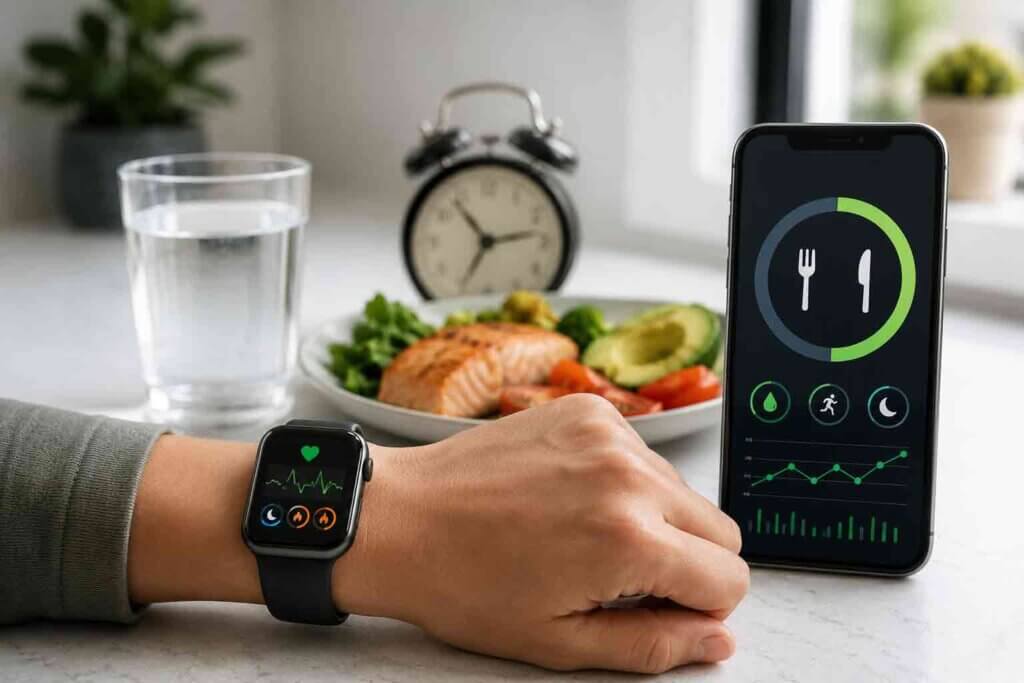
Modern smartwatches and fitness trackers make continuous heart rate monitoring accessible and effortless. Tracking trends in your resting heart rate over weeks and months reveals far more than a single measurement. A gradual rise in resting heart rate over several weeks can indicate overtraining, illness, stress, dehydration, or the early stages of a cardiovascular problem.
Check your resting heart rate first thing in the morning before getting out of bed. If you notice it is consistently elevated by 7 to 10 beats above your normal baseline, that is a signal worth paying attention to and discussing with your doctor.
3: Heart Rate Variability (HRV)
The Heart Health Signal Most Women Have Never Heard Of
Heart rate variability sounds technical, but the concept is straightforward. HRV measures the variation in time between each heartbeat. A healthy heart does not beat like a perfect metronome. The intervals between beats should vary slightly depending on breathing and nervous system activity. Greater variability generally means your autonomic nervous system is working well and your heart can adapt to different demands.
Low HRV, meaning very little variation between heartbeats, is associated with higher cardiovascular risk, chronic stress, inflammation, and worse recovery from illness. For women specifically, studies have found that low HRV is a stronger predictor of cardiac events than it is in men, making it a particularly valuable signal to monitor.
Why HRV Matters at Every Life Stage for Women
HRV naturally changes throughout a woman’s life. Hormonal fluctuations during the menstrual cycle affect HRV, with values typically lower in the luteal phase before menstruation. Pregnancy dramatically alters HRV patterns, and menopause causes a significant drop in HRV as estrogen levels fall. This postmenopausal decline in HRV corresponds with the period when women’s cardiovascular risk rises sharply.
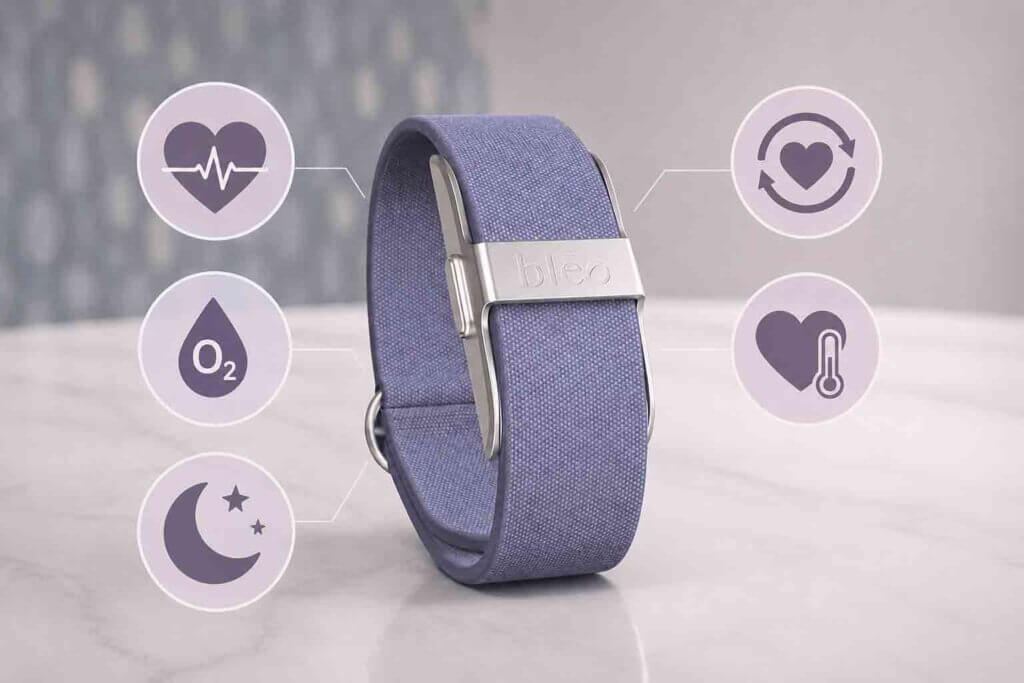
Stress, poor sleep, alcohol, and inflammatory conditions all suppress HRV. Exercise, good sleep hygiene, deep breathing practices, and stress management consistently improve it. Many wearable devices now track HRV automatically during sleep, which is when the measurement is most accurate. If your HRV has been declining steadily over several months without an obvious cause, it is worth raising with a cardiologist.
4: Cholesterol Levels and Lipid Panel Numbers
Understanding Cholesterol Beyond the Basics
Most women know they should have their cholesterol checked, but fewer understand which numbers matter most and why women need to interpret them somewhat differently than men. A standard lipid panel measures total cholesterol, LDL (low-density lipoprotein), HDL (high-density lipoprotein), and triglycerides.
LDL is often called “bad” cholesterol because it carries cholesterol into artery walls and promotes plaque buildup. HDL is called “good” cholesterol because it helps remove cholesterol from arteries. Triglycerides are blood fats that rise with poor diet, excess sugar, alcohol, and insulin resistance.
For women, HDL levels deserve particular attention. Women naturally tend to have higher HDL than men, and a reading below 50 mg/dL in a woman is considered low and concerning, whereas the threshold for men is 40 mg/dL. A drop in HDL, especially after menopause, is a red flag. Similarly, high triglycerides are a stronger risk factor for heart disease in women than in men, a fact that often surprises people.
Beyond LDL: The Markers Your Doctor May Not Order Automatically
Emerging evidence points to additional lipid markers that provide a more complete picture of cardiovascular risk in women. Lipoprotein(a), also written as Lp(a), is a particularly important marker. Elevated Lp(a) is genetically determined and cannot be lowered through diet or exercise, but it significantly raises the risk of heart attack and stroke. Women with elevated Lp(a) need more aggressive management of other risk factors.
ApoB (apolipoprotein B) is another advanced marker that measures the actual number of LDL particles in the blood, which can be a more accurate predictor of risk than LDL cholesterol levels alone. Ask your doctor about including these tests in your next cardiovascular workup, particularly if you have a family history of early heart disease or have already had a cardiovascular event.
5: Blood Sugar and Insulin Sensitivity
The Connection Between Blood Sugar and Heart Disease in Women
The link between blood sugar control and heart health is powerful, and it disproportionately affects women. Women with type 2 diabetes have a two to four times greater risk of dying from heart disease compared to women without diabetes, whereas men with diabetes have approximately double the risk compared to diabetic-free men. This means diabetes erases the cardiovascular protection that women typically have.
Even before diabetes develops, the state of insulin resistance or prediabetes quietly damages blood vessels, promotes inflammation, and raises blood pressure and triglycerides. High fasting blood sugar and insulin resistance are now recognized as major cardiovascular risk factors, not just metabolic ones.
Polycystic ovary syndrome (PCOS), which affects up to 15 percent of women of reproductive age, is closely tied to insulin resistance and raises cardiovascular risk significantly. Women with PCOS need particularly careful monitoring of blood sugar and cardiovascular markers throughout their lives.
What Numbers to Track and How Often
A fasting glucose below 100 mg/dL is normal. Between 100 and 125 mg/dL indicates prediabetes. At 126 mg/dL or above on two separate tests, diabetes is diagnosed. However, fasting glucose alone misses many cases of impaired blood sugar regulation. A hemoglobin A1C test, which reflects average blood sugar over the past two to three months, provides a more reliable picture. An A1C below 5.7 percent is normal, 5.7 to 6.4 percent is prediabetic, and 6.5 percent or above indicates diabetes.
For women with risk factors including obesity, PCOS, a family history of diabetes, gestational diabetes history, or a sedentary lifestyle, checking A1C and fasting glucose annually is important. Those who have already been identified as prediabetic should check more frequently and work closely with their healthcare team on lifestyle interventions.
How These Five Signals Work Together
The Interconnected Nature of Cardiovascular Risk
These five signals do not exist in isolation. They interact and amplify each other in ways that compound risk. High blood sugar raises blood pressure and worsens lipid profiles. Chronic stress elevates both heart rate and blood pressure while suppressing HRV. Poor sleep, a common problem for perimenopausal and postmenopausal women, negatively affects every single signal on this list.
This is why monitoring one signal in isolation is not enough. A woman might have normal blood pressure but a declining HRV, elevated triglycerides, and a gradually rising resting heart rate, all of which together point toward a cardiovascular system under stress even before any individual number crosses a clinical threshold.
Building a Personal Heart Health Monitoring Routine
The goal is not to become obsessed with numbers but to develop consistent awareness over time. Tracking trends matters more than any individual reading. A blood pressure that occasionally spikes is less concerning than one that is consistently elevated. A resting heart rate that climbs 10 beats over three months without explanation is more concerning than one that varies day to day.
Consider building a simple monitoring routine that includes daily or weekly blood pressure checks, continuous heart rate and HRV tracking via a wearable device, and annual lab work including a full lipid panel with advanced markers if appropriate, fasting glucose, and A1C. Bring this data to your healthcare appointments. Doctors can make much better decisions with real-world data over time than with a single measurement taken in a clinical setting.
When to See a Doctor Immediately
Warning Signs That Require Urgent Attention
While consistent monitoring is about prevention and early detection, some symptoms require immediate medical attention. Do not wait if you experience sudden shortness of breath, pain or pressure in the chest, jaw, neck, back, or upper abdomen, sudden extreme fatigue, nausea or vomiting without obvious cause, lightheadedness or fainting, or a sudden irregular heartbeat.
Women often make the mistake of attributing these symptoms to anxiety, indigestion, or stress and delay seeking help. Time is absolutely critical in a cardiac emergency. The sooner treatment begins, the less heart muscle is permanently damaged.
Lifestyle Changes That Improve All Five Signals Simultaneously
Simple Daily Habits With Powerful Cardiovascular Effects
The good news is that the lifestyle changes that protect your heart address all five signals at once. Regular aerobic exercise is the single most powerful tool for improving blood pressure, resting heart rate, HRV, lipid profiles, and blood sugar control simultaneously. Even 150 minutes per week of moderate-intensity activity, such as brisk walking, cycling, or swimming, produces measurable cardiovascular benefits within weeks.
A diet rich in vegetables, fruits, whole grains, legumes, nuts, and healthy fats like those found in olive oil and fatty fish directly improves all five of these markers. Reducing processed foods, added sugars, refined carbohydrates, and excessive sodium makes a dramatic difference for blood pressure and blood sugar in particular.
Sleep quality deserves the same attention as diet and exercise. Chronic sleep deprivation raises blood pressure, increases resting heart rate, lowers HRV, worsens insulin sensitivity, and disrupts lipid metabolism. Prioritizing seven to nine hours of quality sleep per night is a genuine cardiovascular intervention, not just a comfort issue.
Managing chronic stress through practices like mindfulness, yoga, nature exposure, social connection, and adequate rest directly improves HRV and lowers blood pressure and resting heart rate over time.
Conclusion
Heart disease is not inevitable, and it is not a condition that strikes without warning. The five heart health signals discussed here, blood pressure, resting heart rate, heart rate variability, cholesterol and lipid markers, and blood sugar and insulin sensitivity, give every woman a powerful window into her cardiovascular health long before a crisis occurs.
Women face unique hormonal, reproductive, and social factors that shape their cardiovascular risk throughout life. From the teenage years through pregnancy, perimenopause, and beyond, the heart’s needs change. The most important thing any woman can do is stop waiting for symptoms and start monitoring proactively.
Modern technology makes continuous heart monitoring more accessible than ever. Combine that with annual lab work, honest conversations with your healthcare team, and evidence-based lifestyle habits, and you have the foundation for a heart-healthy life well into your later decades. Your heart has been working hard for you every single day. These five signals are its way of communicating back. It is time to start listening.
Frequently Asked Questions
What are the most important heart health signals women should monitor?
The five most important signals are blood pressure, resting heart rate, heart rate variability (HRV), cholesterol and lipid panel numbers, and blood sugar levels. Monitoring all five together gives a far more complete picture of cardiovascular health than tracking any single number alone.
How often should women check their blood pressure at home?
Women with no risk factors should check at least once a year, but those over 40, postmenopausal, or with a family history of hypertension should measure several times per week. Morning readings before eating or taking medication, combined with an evening check, give the most accurate and useful data.
Can a smartwatch really help monitor heart health signals?
Yes, modern wearables can track resting heart rate and heart rate variability continuously and accurately enough to reveal meaningful trends over time. While they do not replace clinical lab work for cholesterol or blood sugar, they are genuinely valuable tools for spotting changes in heart rhythm and recovery patterns early.
Why are women’s heart attack symptoms often missed or dismissed?
Women frequently experience atypical symptoms like jaw pain, back pain, nausea, extreme fatigue, and shortness of breath rather than the classic crushing chest pain associated with men. These symptoms are commonly mistaken for anxiety, indigestion, or stress, which leads to dangerous delays in seeking and receiving treatment.
At what age should women start seriously monitoring their heart health?
There is no age too early, but the urgency increases significantly around perimenopause, typically the mid-40s, when estrogen levels begin declining and cardiovascular protection fades. Women with PCOS, a history of preeclampsia, diabetes, or a family history of early heart disease should start active monitoring well before that.