The global population is aging at an unprecedented pace, and with increased longevity comes a heightened focus on mobility, independence, and quality of life. As people live longer, maintaining physical function becomes one of the most critical components of healthy aging. Reduced mobility, joint stiffness, and chronic pain—often linked to arthritis—pose daily challenges that can limit independence and diminish overall well-being. Modern innovations, particularly wearable health technology and activity trackers, are redefining how seniors manage mobility and monitor wellness in real time.
The Growing Senior Population and Mobility Concerns
Across developed and developing nations alike, the proportion of adults aged 60 and older continues to rise. This demographic shift has placed mobility at the forefront of healthcare discussions. Seniors are increasingly seeking practical, non-invasive tools that help them maintain autonomy, avoid injury, and stay active. Mobility challenges often begin subtly with joint discomfort or decreased stamina but can quickly escalate into more severe limitations that affect daily activities such as walking, climbing stairs, or even standing for extended periods.
Loss of mobility is not merely a physical issue; it can directly impact emotional and mental health. When movement becomes painful or difficult, seniors may withdraw from social activities, leading to isolation and reduced cognitive stimulation. Addressing mobility proactively is therefore essential for long-term wellness and sustained independence.
Why Activity Trackers Matter for Senior Wellness
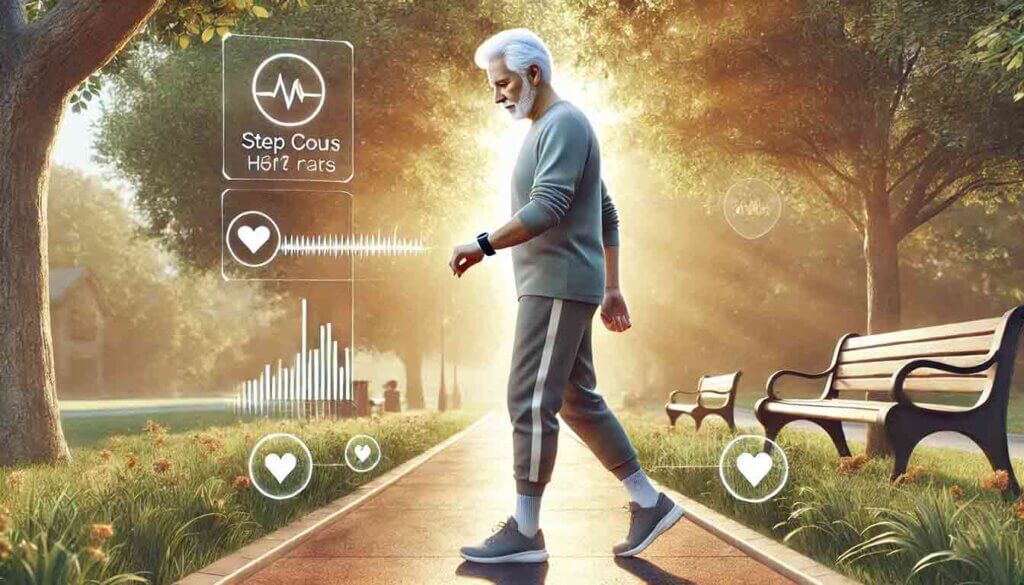
Activity trackers offer measurable insights into movement patterns, encouraging consistent physical activity. For seniors dealing with arthritis or limited mobility, this feedback is transformative. Monitoring daily steps motivates gradual progress, while heart rate tracking ensures exercise remains within safe thresholds.
Beyond physical metrics, sleep tracking features provide insight into rest quality—an essential factor in joint recovery and pain management. Poor sleep often exacerbates inflammation and fatigue. By identifying irregular sleep patterns, seniors can make adjustments that enhance overall health.
In essence, activity trackers serve as personal health dashboards, helping seniors maintain independence, prevent falls, and manage chronic conditions with confidence.
Key Features: Step Counting, Heart Rate Monitoring, and Sleep Tracking
Modern activity trackers offer sophisticated features that go far beyond basic pedometers. Step counting remains central, providing a measurable daily movement benchmark. Heart rate monitoring ensures safe exertion levels, especially for seniors managing cardiovascular conditions.
Sleep tracking analyzes duration and sleep stages, offering insight into recovery patterns. Some advanced models also measure blood oxygen saturation and stress levels, adding another layer of health awareness.
These integrated features create a holistic picture of wellness. Instead of focusing solely on exercise, activity trackers emphasize overall health management.
Wearable Formats: Wristbands, Clip-Ons, and Smartwatches
Activity trackers come in multiple formats to accommodate varying preferences and comfort levels. Wristband-style trackers are lightweight and easy to wear throughout the day. Clip-on devices attach discreetly to clothing for those who prefer minimal wrist accessories.
Smartwatches combine activity tracking with communication features such as call notifications and emergency alerts. For seniors, models with larger displays and simplified interfaces enhance usability and accessibility.
Comfort and ease of use are essential considerations. Devices designed with ergonomic straps and intuitive controls ensure consistent daily wear.
Integration With Smartphones and Health Apps
Most activity trackers integrate seamlessly with smartphones and dedicated health applications. Data syncs automatically, generating visual charts and progress summaries. This integration enables long-term trend analysis and goal setting.
Family members and caregivers can also access shared data, fostering collaborative care. In cases of irregular heart rate or inactivity alerts, immediate action can be taken.
Through intelligent design and advanced sensor technology, activity trackers have become indispensable tools for seniors managing arthritis and mobility challenges. By combining consistent movement monitoring with user-friendly features, these devices promote independence, safety, and sustained well-being.
Physical Health Benefits for Seniors
As mobility becomes a central pillar of healthy aging, activity trackers offer measurable and structured support for seniors striving to maintain independence. Beyond simple step counting, these devices function as intelligent health companions that guide movement, promote consistency, and protect against overexertion. For older adults living with arthritis or limited mobility, the physical health benefits are both immediate and long-term.
Encouraging Safe, Low-Impact Movement
One of the most powerful advantages of activity trackers is their ability to promote safe, low-impact physical activity. Seniors do not need intense exercise regimens to improve health outcomes. Gentle walking, stretching, chair exercises, and light household movement can significantly enhance joint lubrication and muscular endurance.
Wearable devices provide daily step goals that can be adjusted to match physical capability. Instead of overwhelming targets, seniors can begin with modest movement goals and increase them gradually. This structured approach fosters confidence and eliminates uncertainty about how much activity is appropriate.
Many devices from leading technology innovators such as bleo.ai incorporate customizable reminders that encourage light activity throughout the day. These reminders prevent prolonged sitting, which can worsen stiffness and circulation problems.
Improving Joint Flexibility and Circulation
Consistent, moderate movement improves joint flexibility and blood circulation, both of which are essential for seniors managing arthritis. When joints remain inactive for extended periods, synovial fluid production decreases, leading to stiffness and discomfort. Regular motion restores lubrication and maintains range of motion.
Activity trackers encourage steady movement intervals rather than sporadic bursts of activity. By pacing daily steps and tracking progress, seniors can avoid long sedentary periods that contribute to joint immobility.
Improved circulation also supports cardiovascular health. Light walking and mobility exercises stimulate blood flow, delivering oxygen and nutrients to muscles and joints. Over time, this enhances endurance and reduces fatigue, allowing seniors to maintain independence in daily tasks.
Supporting Weight Management
Excess body weight places additional strain on joints, particularly the knees and hips. For seniors with osteoarthritis, even modest weight reduction can significantly reduce pain levels. Activity trackers assist with weight management by providing clear data on daily movement and calorie expenditure.
Seeing measurable progress reinforces positive habits. Seniors can align movement goals with nutritional strategies to create a sustainable lifestyle plan. The emphasis remains on balance and consistency rather than aggressive dieting or high-impact workouts.
Monitoring activity also helps identify inactive days, enabling adjustments before sedentary patterns become routine. The visual feedback from synced health apps reinforces accountability and supports gradual, realistic progress.
Reducing Stiffness Through Reminders to Move
One of the most overlooked contributors to stiffness is prolonged sitting. Whether reading, watching television, or resting, seniors may remain stationary for hours without realizing it. Activity trackers counteract this pattern with gentle reminders to move at regular intervals.
These notifications prompt short walks, light stretches, or posture adjustments that reduce joint rigidity. Even two to five minutes of movement can restore flexibility and prevent discomfort from intensifying.
Over time, these micro-movements accumulate into meaningful physical activity. Seniors experience fewer episodes of stiffness and improved ease of motion throughout the day.
Monitoring Heart Health During Exercise
Cardiovascular safety is paramount for older adults. Activity trackers equipped with heart rate sensors provide continuous monitoring during physical activity. This ensures exercise remains within safe limits and prevents overexertion.
For seniors with pre-existing heart conditions, real-time heart rate feedback offers reassurance and control. Instead of guessing whether activity intensity is appropriate, users can rely on precise metrics.
Some advanced wearable models even include irregular heart rhythm notifications. These features enhance preventive care by alerting users to potential issues early, allowing timely medical consultation.
Pain Management and Arthritis Support
Pain management is central to maintaining quality of life for seniors living with arthritis. Activity trackers do not replace medical treatment, but they significantly enhance symptom awareness and self-management.
Tracking Activity Levels to Avoid Overexertion
Overexertion is a common trigger for arthritis flare-ups. Seniors who push beyond their physical limits may experience increased inflammation and pain the following day. Activity trackers provide structured boundaries that prevent excessive strain.
By reviewing daily step counts and heart rate patterns, users can identify thresholds that feel manageable. Gradual increments in activity prevent sudden spikes in exertion.
The ability to monitor effort in real time empowers seniors to stop or slow down before discomfort escalates. This proactive approach reduces recovery time and supports long-term mobility.
Identifying Patterns Between Activity and Pain
Consistent data collection allows seniors to identify correlations between movement and pain levels. By comparing activity trends over days or weeks, patterns emerge. For example, higher activity on certain days may correlate with increased stiffness the following morning.
Recognizing these trends enables informed adjustments. Seniors can distribute activity more evenly or incorporate additional rest intervals. This data-driven insight transforms pain management from guesswork into a measurable strategy.
Health apps often allow users to log symptoms alongside activity metrics. This comprehensive tracking strengthens communication with healthcare providers and supports more personalized treatment plans.
Supporting Physical Therapy Programs
Physical therapy is a cornerstone of arthritis management. Activity trackers complement therapy programs by reinforcing prescribed exercises and tracking adherence.
Therapists often recommend specific step ranges or low-impact routines. Wearable devices provide immediate confirmation that goals are being met. This accountability improves consistency and maximizes therapeutic outcomes.
Additionally, therapists can use recorded activity data to evaluate progress and adjust exercise plans accordingly. Objective metrics ensure rehabilitation remains safe and effective.
Promoting Gradual Progression and Safe Goals
Sustainable improvement requires gradual progression. Activity trackers encourage incremental goal setting rather than drastic increases in activity.
Seniors can begin with achievable daily movement targets and slowly raise them as endurance improves. This structured progression minimizes injury risk and builds confidence.
The psychological benefit of reaching daily goals should not be underestimated. Each milestone reinforces commitment to movement, creating a positive cycle of motivation and progress.
Fall Prevention and Safety Monitoring
Falls represent one of the most serious risks associated with limited mobility. Preventing falls is critical to preserving independence and avoiding hospitalization. Modern wearable technology incorporates advanced safety features designed specifically for this purpose.
Fall Detection Features
Certain activity trackers and smartwatches include automatic fall detection technology. These devices use motion sensors and accelerometers to recognize sudden impacts followed by inactivity.
When a fall is detected, the device prompts the user to confirm their safety. If no response is received, emergency contacts can be notified automatically. This feature offers peace of mind for both seniors and their families.
Fall detection is particularly valuable for individuals living alone. Immediate alerts reduce response time and improve outcomes in emergency situations.
Emergency SOS Alerts
Emergency SOS functionality enables users to request help instantly. With a simple button press, pre-selected contacts or emergency services receive a notification containing the user’s location.
This feature is especially beneficial during outdoor walks or travel. Seniors can remain active with confidence, knowing assistance is readily accessible if needed.
The integration of communication features within wearable devices ensures safety without requiring additional equipment.
Location Sharing for Caregivers
Location-sharing capabilities allow caregivers to monitor movement patterns discreetly and respectfully. This feature is particularly helpful for seniors experiencing mild cognitive decline or balance instability.
Real-time location access ensures that help can be dispatched quickly if irregular activity or extended inactivity occurs. It also provides reassurance during independent outings.
When implemented thoughtfully, location tracking enhances safety while preserving dignity and autonomy.
Gait and Balance Monitoring Capabilities
Advanced wearable devices analyze gait patterns and stride consistency. Subtle changes in walking rhythm may indicate increased fall risk.
By identifying irregular gait metrics early, seniors and healthcare providers can intervene proactively. Balance exercises, strength training, and environmental adjustments can be implemented before a fall occurs.
Continuous monitoring transforms fall prevention from reactive care into preventive strategy. Over time, data-driven insights improve stability and reduce injury risk.
Through structured activity guidance, pain management support, and advanced safety monitoring, activity trackers represent a transformative solution for seniors facing mobility challenges. They combine preventive healthcare, technological precision, and practical usability—empowering older adults to maintain independence, confidence, and long-term wellness.
Motivation and Behavioral Benefits
Sustaining mobility requires more than physical capability; it demands motivation, structure, and reinforcement. For seniors managing arthritis and limited mobility, behavioral consistency is often the most challenging barrier. Activity trackers address this challenge by transforming daily movement into measurable, achievable milestones that encourage long-term adherence.
Goal Setting for Gentle Daily Movement
Clear, realistic goals form the foundation of sustained mobility improvement. Activity trackers allow seniors to establish personalized movement targets aligned with their physical condition. Rather than unrealistic fitness standards, goals can focus on gentle daily steps, short walking intervals, or light activity duration.
The ability to customize goals is essential. Seniors recovering from flare-ups or managing chronic stiffness can adjust targets based on comfort levels. This flexibility eliminates discouragement and ensures goals remain attainable. Incremental increases over time promote steady progress without overwhelming the body.
Structured goal setting replaces ambiguity with clarity. Instead of wondering whether enough movement has occurred, seniors have objective benchmarks that guide their daily routines.
Visual Progress Tracking for Encouragement
Visual data is one of the most powerful motivational tools available. Activity trackers synchronize with mobile applications that present movement data through charts, graphs, and trend lines. Seeing gradual improvement reinforces effort and validates consistency.
When seniors observe a steady upward trend in daily steps or activity minutes, confidence naturally increases. Progress becomes tangible rather than abstract. Even small improvements feel significant when represented visually.
Long-term tracking also highlights resilience. Days with lower activity are contextualized within broader patterns of growth, reducing feelings of failure. This perspective fosters persistence and discourages abandonment of healthy routines.
Positive Reinforcement Through Notifications
Behavioral psychology demonstrates that positive reinforcement strengthens habits. Activity trackers utilize subtle notifications and achievement badges to reward milestones. Reaching a daily step goal or maintaining consistent activity streaks triggers encouraging feedback.
These notifications create immediate recognition of effort. Rather than waiting for external validation, seniors receive direct affirmation from their devices. This reinforcement builds intrinsic motivation and promotes repetition of positive behaviors.
The psychological effect is significant. Consistent encouragement nurtures self-efficacy, helping seniors believe in their ability to manage their health proactively.
Building Consistency and Healthy Habits
Consistency is the cornerstone of effective mobility management. Sporadic bursts of activity do not yield sustainable benefits; daily, moderate movement does. Activity trackers cultivate routine by embedding movement reminders into everyday life.
Regular prompts to stand, stretch, or walk help establish predictable habits. Over time, these actions become automatic rather than forced. Habit formation reduces reliance on willpower and strengthens long-term adherence.
By integrating movement seamlessly into daily schedules, seniors maintain physical resilience while minimizing discomfort associated with inactivity.
Mental and Emotional Well-Being
Mobility challenges impact more than joints and muscles. Emotional health is closely tied to independence and physical function. Activity trackers support mental well-being by reducing uncertainty, enhancing sleep quality, and restoring confidence.
Reducing Isolation Through Activity Goals
Limited mobility often leads to social withdrawal. When movement feels difficult, seniors may avoid outings or interactions. Activity trackers counteract this pattern by providing structured reasons to move, even within the home environment.
Daily movement goals create purposeful engagement. A short walk outdoors or light activity in communal spaces increases incidental social interaction. Over time, these small actions reduce feelings of isolation.
Additionally, shared goals with family members encourage communication and collaboration, fostering connection without physical strain.
Improving Sleep Patterns
Quality sleep is essential for pain management, inflammation control, and emotional balance. Many activity trackers monitor sleep duration and cycles, offering insights into rest quality.
By reviewing sleep data, seniors can identify irregular patterns such as frequent awakenings or insufficient deep sleep. Improved awareness supports lifestyle adjustments, including consistent bedtime routines and appropriate daytime activity levels.
Better sleep directly influences mood stability and cognitive clarity. Restorative sleep reduces irritability and enhances resilience, strengthening overall mental health.
Boosting Confidence and Independence
Independence is deeply valued among older adults. The ability to monitor personal health without constant supervision reinforces autonomy. Activity trackers provide reassurance by delivering real-time data about movement and heart rate.
This visibility reduces uncertainty. Seniors no longer rely solely on subjective feelings to gauge exertion or safety. Objective metrics offer clarity and control.
As movement improves and milestones are achieved, confidence grows. Each successful day of goal completion reinforces self-reliance and encourages continued engagement in daily activities.
Lowering Anxiety About Health Monitoring
Health-related anxiety is common among individuals managing chronic conditions. Concerns about heart rate irregularities, inactivity, or overexertion can create persistent stress.
Wearable devices alleviate this anxiety by offering continuous monitoring. Knowing that activity levels and vital signs are being tracked provides peace of mind. Alerts for irregular patterns allow prompt action, reducing fear of unnoticed complications.
This sense of security supports emotional stability and encourages proactive health management rather than reactive worry.
Social and Community Engagement
Wellness thrives in community. Social connection strengthens accountability, enhances motivation, and supports emotional health. Activity trackers extend beyond individual monitoring by enabling collaborative engagement.
Sharing Progress With Family Members
Many wearable health platforms allow data sharing with trusted contacts. Family members can view daily activity summaries, offering encouragement and recognition.
This transparency fosters supportive dialogue. Celebrating milestones together strengthens bonds and motivates continued effort. Seniors feel seen and supported rather than isolated in their health journey.
Shared progress also reassures family members about safety and activity levels, particularly when distance limits in-person visits.
Virtual Challenges Adapted for Seniors
Virtual challenges provide structured yet flexible opportunities for engagement. These challenges can be adapted to suit gentle movement levels appropriate for older adults.
Participating in step challenges or cumulative distance goals introduces a sense of accomplishment without physical strain. Seniors can compete with themselves or collaborate with peers, transforming movement into an engaging experience.
The gamification of activity introduces enjoyment and variety, sustaining interest over time.
Strengthening Accountability Through Shared Goals
Accountability reinforces behavioral commitment. When seniors set shared goals with family members or friends, consistency improves. Mutual encouragement sustains motivation during challenging periods.
Shared goals also create meaningful conversation topics, reinforcing emotional connection. Achieving milestones together fosters pride and collective achievement.
Through structured goal setting, emotional reassurance, and community integration, activity trackers transcend simple fitness monitoring. They serve as comprehensive wellness tools that strengthen physical resilience, nurture emotional balance, and deepen social engagement—empowering seniors to navigate aging with confidence, connection, and sustained vitality.
Customization for Limited Mobility
Mobility limitations vary widely among seniors. Some individuals experience mild stiffness, while others rely on wheelchairs or assistive devices for daily movement. The effectiveness of an activity tracker depends on its ability to adapt to individual capabilities. Modern wearable technology offers a high degree of customization, ensuring inclusivity and relevance for users with diverse mobility needs.
Adjusting Step Goals for Wheelchair Users
Traditional step counting does not accurately reflect movement for wheelchair users. Advanced activity trackers address this limitation by allowing customized activity goals that go beyond step metrics. Wheelchair mode, available in select wearable devices, converts pushes into measurable activity units.
Instead of focusing solely on steps, wheelchair users can set movement goals based on propulsion frequency, distance traveled, or active minutes. This adjustment ensures inclusivity while preserving the motivational structure that step-based goals provide for ambulatory users.
Personalized goal calibration ensures progress remains attainable. Seniors who use mobility aids can experience measurable improvement without feeling excluded by traditional step-focused metrics.
Tracking Arm Movements Instead of Steps
For individuals with limited lower-body mobility, tracking arm movement becomes a practical alternative. Wearable devices equipped with motion sensors detect repetitive arm activity during wheelchair propulsion, resistance band exercises, or upper-body rehabilitation routines.
This capability transforms everyday movements into recognized activity achievements. Arm circles, light strength exercises, and even routine household tasks contribute to measurable progress.
By recognizing alternative movement patterns, activity trackers promote inclusive fitness tracking that respects physical realities while encouraging consistent engagement.
Custom Reminders Based on Individual Capacity
Not all seniors benefit from identical reminder frequencies. Some require frequent prompts to prevent stiffness, while others may find constant notifications overwhelming. Customizable reminder settings allow users to tailor prompts according to personal tolerance and daily routine.
Short standing reminders can be replaced with stretching alerts or breathing prompts for those unable to stand independently. Personalized timing ensures reminders enhance comfort rather than create pressure.
Adaptability is essential for sustained use. When technology aligns with individual capacity, it becomes a supportive tool rather than a rigid directive.
Accessibility Features for Visual or Hearing Impairments
Accessibility plays a central role in wearable usability. Many modern devices include adjustable font sizes, high-contrast displays, and vibration-based alerts for individuals with hearing impairments.
Large, bright screens improve readability for seniors with declining vision. Haptic feedback ensures notifications are felt even if auditory cues are missed.
Voice-guided prompts and simplified interfaces further enhance usability. When accessibility features are integrated thoughtfully, seniors can interact confidently with their devices without frustration or dependence.
Data-Driven Healthcare Support
Activity trackers do more than encourage movement; they generate valuable longitudinal health data. This data enhances preventive care, strengthens communication with medical professionals, and supports chronic disease management.
Sharing Reports With Healthcare Providers
Wearable devices compile detailed reports that can be shared during medical appointments. These reports include step averages, heart rate trends, sleep duration, and activity consistency.
Providing objective data allows healthcare providers to make informed decisions. Rather than relying solely on patient recollection, physicians can review measurable patterns to assess mobility progression or decline.
This collaborative approach enhances treatment precision. Adjustments to medication, physical therapy, or lifestyle recommendations can be made based on documented evidence.
Tracking Vital Signs Over Time
Continuous monitoring of vital metrics such as resting heart rate offers long-term health insights. Gradual changes in baseline readings may signal improvements or emerging concerns.
For seniors managing cardiovascular conditions, observing consistent heart rate patterns provides reassurance. Deviations can be investigated promptly, reducing uncertainty and promoting proactive care.
Trend analysis strengthens preventive health strategies. Early identification of subtle changes often prevents more serious complications.
Supporting Chronic Disease Management
Chronic conditions such as diabetes, hypertension, and arthritis require ongoing monitoring and behavioral consistency. Activity trackers reinforce structured routines that complement medical management.
Regular movement supports blood sugar regulation and circulation. Sleep tracking assists in managing inflammation and stress. Consistent monitoring encourages adherence to prescribed activity guidelines.
By integrating wearable data into daily life, seniors gain a practical tool that supports comprehensive chronic disease management.
Early Detection of Concerning Health Trends
One of the most significant benefits of wearable technology is its potential for early detection. Sudden declines in daily movement, irregular heart rhythms, or disrupted sleep patterns can signal underlying health issues.
Advanced devices from innovators like Apple and Garmin include alerts that notify users of abnormal readings. Early warnings enable timely medical evaluation, improving outcomes.
Data-driven awareness transforms healthcare from reactive intervention to preventive oversight.
Overcoming Common Barriers
Despite clear benefits, adoption of wearable technology may encounter obstacles. Addressing these concerns ensures broader accessibility and sustained engagement.
Technology Hesitation Among Seniors
Some seniors hesitate to adopt new technology due to unfamiliarity or fear of complexity. Clear instruction, simplified interfaces, and patient guidance reduce this hesitation.
Demonstrating practical benefits—such as safety alerts and health monitoring—builds trust. When seniors understand the tangible advantages, resistance diminishes.
Learning Curve and Setup Support
Initial setup may feel intimidating. Step-by-step guidance from family members or caregivers accelerates onboarding.
Once configured, most activity trackers require minimal ongoing adjustment. Consistency develops quickly when devices are introduced thoughtfully.
Privacy and Data Security Concerns
Concerns about data privacy are valid. Reputable manufacturers implement encryption and secure data storage protocols. Reviewing privacy settings and controlling data-sharing permissions empowers users.
Understanding who can access information reduces anxiety and strengthens confidence in technology use.
Managing Expectations Realistically
Activity trackers are supportive tools, not medical replacements. Setting realistic expectations prevents disappointment. The goal is gradual improvement, consistent movement, and enhanced safety—not perfection.
Small, sustainable progress yields meaningful health benefits. Recognizing this ensures long-term satisfaction and continued engagement.
Through customization, data integration, thoughtful device selection, and barrier reduction, activity trackers become powerful allies in senior wellness. They adapt to diverse mobility needs, support clinical oversight, and empower older adults to maintain independence with measurable confidence and safety.
Limitations of Activity Trackers
While activity trackers provide significant advantages for seniors managing arthritis and limited mobility, a balanced perspective is essential. Understanding their limitations ensures realistic expectations and responsible use.
Not a Substitute for Medical Diagnosis
Wearable devices provide valuable health data, but they do not replace professional medical evaluation. Abnormal heart rate notifications or irregular activity patterns should prompt consultation with a healthcare provider, not self-diagnosis.
Medical conditions such as advanced arthritis, cardiovascular disease, or neurological disorders require comprehensive assessment beyond wearable metrics. Activity trackers support informed conversations with clinicians but cannot deliver definitive diagnoses.
Responsible use involves integrating wearable data into broader medical care rather than relying on it independently.
Potential Over-Reliance on Metrics
While measurable goals encourage consistency, excessive focus on numbers can create stress. Seniors may feel pressured to reach daily targets even when experiencing fatigue or flare-ups.
Health management must remain flexible. Listening to the body is as important as reviewing data. Rest days are sometimes necessary, particularly during arthritis flare-ups or recovery periods.
Maintaining balance ensures that wearable technology remains empowering rather than burdensome. Metrics should guide behavior, not dictate it rigidly.
The Future of Wearable Technology for Seniors
Wearable technology continues to evolve rapidly, with innovations that promise even greater benefits for older adults. The next generation of devices will likely integrate artificial intelligence, advanced mobility analysis, and seamless healthcare connectivity.
AI-Powered Health Insights
Artificial intelligence is transforming how health data is interpreted. Instead of simply presenting raw numbers, future wearable devices will analyze patterns and deliver predictive insights.
Companies such as Google and Apple are investing heavily in AI-driven health ecosystems. These systems can detect subtle changes in movement, heart rate variability, and sleep patterns, offering proactive recommendations.
For seniors, AI-powered analysis may identify early signs of declining mobility or increased fall risk. Personalized alerts and recommendations will support preventive action before complications arise.
Advanced Mobility Monitoring
Future wearables are expected to include more refined gait analysis, posture detection, and balance assessment tools. By analyzing stride symmetry and walking rhythm, devices may detect instability long before a fall occurs.
Enhanced motion sensors will likely provide deeper insights into joint stress and movement efficiency. Seniors managing arthritis may receive feedback on posture or movement habits that reduce strain.
These advancements will strengthen fall prevention strategies and promote safer daily activity.
Integration With Telehealth Services
Telehealth has become an essential component of modern healthcare. Wearable devices are increasingly integrated with remote care platforms, allowing healthcare providers to review patient data in real time.
During virtual appointments, clinicians can evaluate activity levels, heart rate trends, and sleep reports without requiring in-person visits. This integration improves access to care, particularly for seniors with limited mobility or transportation challenges.
Remote monitoring enhances early intervention. Healthcare professionals can identify concerning trends quickly and recommend timely adjustments.
Personalized Health Coaching
The next phase of wearable innovation will likely include real-time coaching based on individual health data. Personalized prompts may guide stretching routines, breathing exercises, or pacing adjustments tailored to each user’s condition.
Adaptive coaching systems will consider age, mobility limitations, and chronic conditions. Rather than generic advice, seniors will receive context-specific recommendations that align with their physical capacity.
This level of personalization will transform activity trackers into comprehensive wellness assistants.
Small Steps Toward Greater Independence
Sustaining independence during aging requires thoughtful integration of movement, safety, and preventive healthcare. Activity trackers offer a structured, accessible pathway toward maintaining mobility and confidence.
Wearable activity trackers support healthy aging by encouraging gentle movement, monitoring vital signs, boosting motivation, and enhancing safety through features like fall detection and alerts. By combining physical support with emotional reassurance and caregiver connectivity, these devices help seniors maintain independence, confidence, and long-term well-being through small, consistent daily progress.
Frequently Asked Questions
1. Are activity trackers safe for seniors with severe arthritis?
Yes. Most activity trackers are safe for seniors with severe arthritis, especially when goals are customized for low-impact movement. Soft, adjustable straps and lightweight designs improve comfort, and reminders can be tailored to avoid overexertion.
2. Can activity trackers detect falls accurately?
Many modern devices include fall detection using motion sensors and accelerometers. While not 100% perfect, advanced models from brands like Apple and Samsung can automatically alert emergency contacts if a hard fall is detected and the user does not respond.
3. Do seniors need a smartphone to use an activity tracker?
Basic tracking features like step counting and heart rate monitoring often work independently. However, a smartphone enhances functionality by syncing detailed reports, trends, and alerts through a companion app.
4. How accurate are step counters for people with limited mobility?
Accuracy can vary depending on walking style, assistive device use, and sensor placement. For wheelchair users or those with altered gait, devices with wheelchair mode or arm-movement tracking provide more reliable data.
5. What features should seniors prioritize when buying an activity tracker?
Seniors should prioritize large displays, simple interfaces, long battery life, comfortable straps, heart rate monitoring, and safety features such as fall detection and emergency alerts.
6. Can activity trackers help reduce arthritis pain?
They do not directly treat pain, but they encourage gentle, consistent movement that improves joint flexibility and circulation, which may help reduce stiffness and discomfort over time.
7. Are there trackers specifically designed for wheelchair users?
Yes. Some wearable devices offer wheelchair-specific tracking modes that measure pushes instead of steps and track upper-body activity for accurate movement monitoring.
8. How can caregivers monitor a senior’s activity safely and respectfully?
Caregivers can use shared app access with permission to review activity summaries and receive alerts. Transparent communication and consent ensure monitoring enhances safety while respecting independence.