The Rise of Predictive Health Through Wearable Technology
From Fitness Tracking to Medical-Grade Health Detection
Wearable technology has evolved far beyond simple step counters and basic fitness tracking. Today’s sophisticated devices function as continuous health monitoring systems, collecting physiological data around the clock to detect potential health risks before they become serious problems. This shift represents a fundamental change in how we approach healthcare—moving from reactive treatment to proactive prevention through real-time biological insights.
The ability to identify health risks early can often mean the difference between a minor intervention and a major medical crisis. Research suggests that continuous monitoring through wearables may help detect everything from cardiovascular irregularities to early signs of infection, though the technology isn’t without its limitations. As healthcare costs continue to rise globally, these devices offer a promising pathway toward more accessible and preventive care, particularly when combined with medical-grade sensors that provide reliable, actionable data.

How Wearables Function as Early Warning Systems
The Four Pillars of Wearable Health Detection
Modern wearables operate through four key mechanisms that work together to identify potential health concerns. The first is continuous monitoring, where devices track vital signs like heart rate, respiratory patterns, and skin temperature throughout the day and night. This constant surveillance creates a baseline of your normal physiological patterns, making it easier to spot deviations that might signal trouble.
The second function is screening—the process of identifying unusual patterns in your data that may indicate emerging health problems. For instance, a sustained elevation in resting heart rate combined with slight temperature increases might suggest the onset of an infection, sometimes days before you feel symptomatic. However, these patterns aren’t always reliable indicators, and environmental factors can sometimes create false alarms.
Detection represents the third crucial function, where wearables can recognize specific conditions in real-time. Studies have shown promising results in detecting heat stroke risk during physical activity, identifying sleep apnea episodes, and even recognizing early signs of cognitive decline through changes in movement patterns. The fourth function, prediction, uses accumulated data trends to forecast acute events like arrhythmias or disease exacerbations before they occur.
During the COVID-19 pandemic, researchers demonstrated how wearable data could identify infections before traditional symptoms appeared, highlighting the potential for these devices to serve as early warning systems for various health conditions. While not foolproof, this technology showed remarkable promise in population health monitoring.
Types of Health Risks Detected by Modern Wearables
Cardiovascular Health Monitoring
Perhaps the most established application of wearable health detection lies in cardiovascular monitoring. Advanced devices can identify irregular heart rhythms, abnormal heart rate variability patterns, and subtle changes that may indicate developing hypertension. Heart rate variability (HRV), in particular, has emerged as a powerful biomarker for overall cardiovascular health and stress response, though interpreting this data requires understanding that many factors can influence these readings.
Clinical studies have demonstrated that wearables can detect atrial fibrillation with reasonable accuracy, potentially preventing strokes through early intervention. However, the technology sometimes produces false positives, particularly during intense physical activity or when devices aren’t properly fitted.
Infectious Disease and Immune Response Detection
Wearables show remarkable potential in identifying early signs of infection or sepsis through subtle changes in temperature patterns, heart rate variability, and activity levels. Research indicates that physiological deviations often appear 24-48 hours before traditional symptoms manifest, providing a valuable window for early intervention.
Temperature monitoring, when combined with other biomarkers, can serve as an early warning system for various infections. However, this approach isn’t always reliable, as individual temperature variations and environmental factors can influence readings.
Neurological and Cognitive Health Tracking
Emerging research suggests that wearables may help detect early signs of neurological disorders through gait analysis, sleep pattern changes, and subtle alterations in daily activity patterns. Some studies have explored using movement data to identify early markers of dementia and Alzheimer’s disease, though this application remains largely experimental.
The technology shows promise in monitoring cognitive load and detecting changes in motor function that might indicate neurological decline. Nevertheless, these applications require careful interpretation, as many factors beyond neurological health can influence movement and activity patterns.
Respiratory and Sleep-Related Conditions
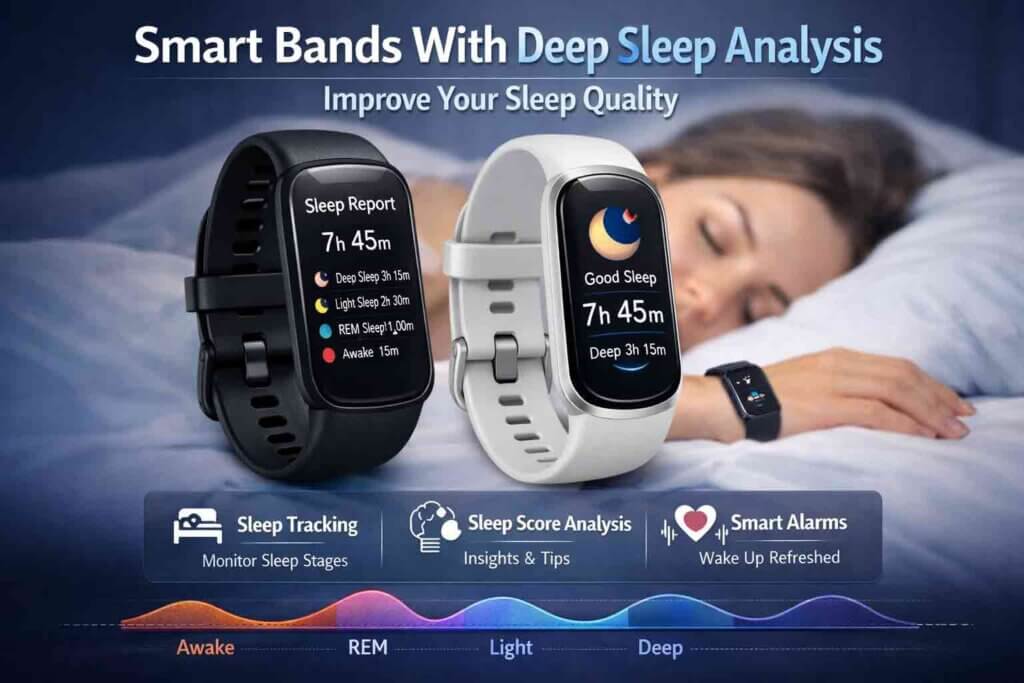
Sleep apnea detection represents one of the most clinically validated applications of wearable technology. By monitoring breathing patterns, blood oxygen levels, and heart rate variability during sleep, devices can identify potential respiratory disruptions that warrant further medical evaluation. While not as precise as formal sleep studies, this screening capability can help identify individuals who might benefit from professional assessment.
The Technology Behind Early Detection
Sensors and Data Processing That Make It Possible
The foundation of wearable health detection lies in sophisticated sensor arrays that capture multiple physiological signals simultaneously. Photoplethysmography (PPG) sensors measure blood flow and heart rate through light reflection, while accelerometers track movement patterns and sleep quality. Temperature sensors monitor skin temperature variations, and some advanced devices incorporate ECG capabilities for more detailed cardiac monitoring.
The real power emerges when artificial intelligence and machine learning algorithms process this continuous stream of data. These systems learn individual patterns and can identify subtle deviations that might escape human observation. The technology creates personalized baselines for each user, making anomaly detection more accurate over time.
However, data quality remains a significant consideration. Sensor accuracy can be affected by factors like skin tone, body hair, device positioning, and environmental conditions. Medical-grade sensors, like those found in premium devices, tend to provide more reliable data, though they’re not immune to these limitations.
Benefits of Proactive Health Monitoring
Transforming Healthcare Through Early Intervention
The primary advantage of early health risk detection through wearables lies in the opportunity for timely intervention. When potential problems are identified before they become symptomatic, treatment options are often more effective and less invasive. This approach can significantly reduce both morbidity and healthcare costs.
Remote patient monitoring capabilities enable healthcare providers to track patients’ conditions continuously without requiring frequent office visits. This is particularly valuable for managing chronic conditions like diabetes, heart disease, and respiratory disorders. The technology also supports telehealth initiatives, making healthcare more accessible to underserved populations.
For individuals focused on longevity and optimal health, continuous monitoring provides insights into how lifestyle choices affect key biomarkers. Understanding your biological age through metrics like HRV and deep sleep quality can guide more informed decisions about diet, exercise, and stress management.
Challenges and Limitations to Consider
Navigating the Complexities of Continuous Health Monitoring
Despite the promise of wearable health detection, several challenges must be acknowledged. Data quality and accuracy remain primary concerns, as sensor limitations and user compliance can significantly impact reliability. Not all devices provide medical-grade accuracy, and even high-quality sensors can produce misleading results under certain conditions.
Health equity represents another important consideration. While wearables can potentially democratize health monitoring, access to advanced devices and the digital literacy required to interpret their data isn’t equally distributed across all populations. This disparity could potentially worsen existing health inequalities if not addressed thoughtfully.
Privacy and ethical considerations surrounding continuous health monitoring deserve careful attention. The collection of intimate biological data raises questions about data security, ownership, and potential misuse by insurance companies or employers. Users should understand how their data is stored, processed, and potentially shared.
Additionally, the lack of standardization across devices can make it difficult to compare data or ensure consistent quality. Recommendations for improving interoperability and establishing universal standards are essential for the technology’s continued development.
Future Directions and Innovations
What’s Next for Wearable Health Technology
The future of wearable health detection lies in more sophisticated AI integration and expanded predictive capabilities. Researchers are developing systems that can predict sepsis in pediatric oncology patients and identify early signs of various chronic conditions with increasing accuracy. These advances may eventually enable wearables to trigger automatic emergency responses for life-threatening situations.
Development efforts are also focusing on creating more accessible, cost-effective devices suitable for global health applications. The goal is to make early health detection available to populations worldwide, not just those who can afford premium technology.
As sensor technology continues to advance, we can expect to see new applications in monitoring emerging health threats and providing more granular insights into biological aging processes. The integration of multiple devices and data sources promises to create comprehensive health pictures that were previously impossible to achieve.
Conclusion: Embracing the Future of Preventive Health
Wearable technology has fundamentally transformed our approach to health monitoring, shifting the paradigm from reactive treatment to proactive prevention. The ability to detect health risks early through continuous physiological monitoring represents a significant advancement in personal healthcare, potentially saving lives through timely intervention and lifestyle adjustments.
While challenges around data accuracy, accessibility, and privacy remain, the potential benefits of this technology are substantial. As devices become more sophisticated and AI algorithms more refined, wearables are poised to become indispensable tools in the pursuit of optimal health and longevity. The key lies in choosing devices with medical-grade accuracy and using the insights they provide to make informed, sustainable lifestyle changes that support long-term well-being.
Frequently Asked Questions
Can a smartwatch detect heart problems?
What wearable health metrics help spot disease risk early?
How accurate is wearable data for detecting health issues?
What should I do if my wearable alerts me to a potential problem?
Are wearable devices safe and private for health monitoring?