Smart health rings represent one of the most significant evolutions in wearable technology, combining medical-grade sensing with an unobtrusive, jewelry-like form factor. As health technology shifts from bulky devices to seamless, always-on solutions, smart rings have rapidly positioned themselves at the forefront of personal health monitoring. Unlike traditional wearables that demand constant user attention, these compact devices integrate naturally into daily life, offering continuous insights without disrupting routine or style.
The rise of smart rings is closely tied to the growing global emphasis on preventive healthcare, quantified self-movements, and long-term health optimization. Users are no longer satisfied with basic step counts or occasional heart rate readings. Instead, they seek deeper physiological intelligence—sleep quality, heart rate variability, body temperature trends, blood oxygen saturation, and recovery metrics—all captured passively and analyzed intelligently. Smart rings deliver precisely this depth of insight, making them a preferred choice for biohackers, athletes, professionals, and health-conscious individuals alike.
Health technology markets increasingly favor solutions that blend clinical accuracy with consumer elegance, and smart rings answer this demand decisively. Their rise is not accidental; it is the result of converging advances in sensor miniaturization, low-power electronics, and AI-driven health analytics. As a result, smart rings are no longer niche gadgets but foundational tools in the modern health-tech ecosystem.
Why Rings Are Becoming a Preferred Wearable Format
The shift toward ring-based wearables is driven by both functional superiority and user behavior. Unlike wrist-based devices, rings are worn consistently—during sleep, work, exercise, and rest—ensuring uninterrupted data collection. This continuity dramatically improves the reliability of long-term health trends, which are far more valuable than isolated data points.
From a behavioral standpoint, rings remove friction. There is no screen demanding interaction, no notifications causing distraction, and no aesthetic compromise. A smart ring feels natural, discreet, and permanent, aligning perfectly with modern preferences for minimalist technology that works silently in the background.
Another crucial factor is comfort. Wrist wearables can interfere with typing, sleeping positions, or formal attire, whereas rings integrate effortlessly into all aspects of life. This high adherence rate translates directly into better data quality, stronger user trust, and more actionable health insights. As health monitoring becomes a daily necessity rather than an occasional activity, the ring format stands out as the most sustainable and human-centric solution.
I. Understanding Smart Health Rings
1. What Are Smart Rings?
Definition and Core Concept
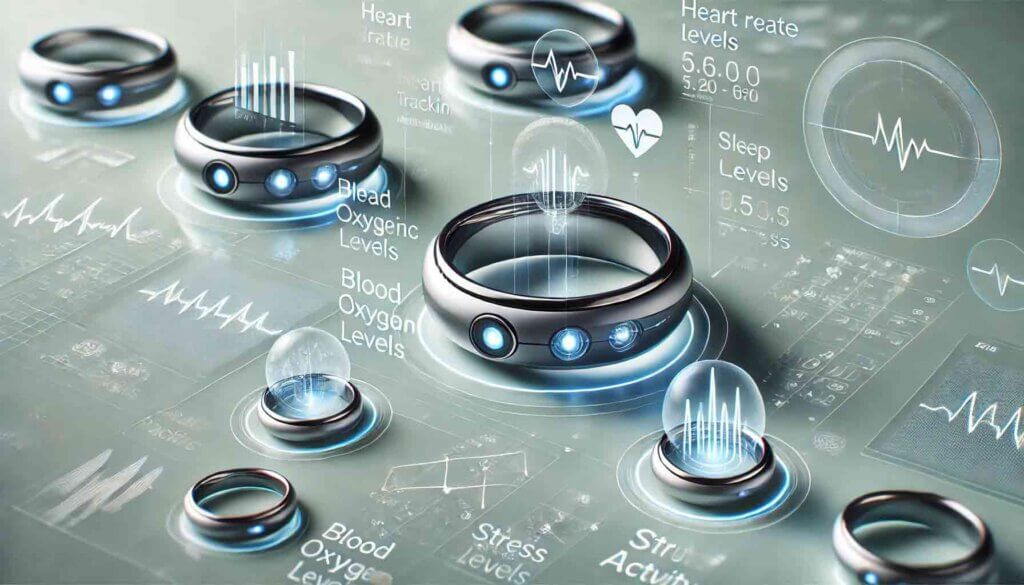
Smart health rings are compact, sensor-driven wearable devices designed to be worn on the finger while continuously tracking a wide range of physiological metrics. At their core, these rings function as advanced health monitors, embedding optical sensors, temperature sensors, accelerometers, and sophisticated algorithms into a form factor that resembles traditional jewelry.
Unlike conventional wearables that rely heavily on user interaction, smart rings focus on passive data collection and intelligent interpretation. They capture raw biometric signals around the clock and translate them into meaningful health insights such as sleep stages, recovery readiness, stress levels, cardiovascular performance, and metabolic trends. The result is a holistic health profile that evolves over time, offering clarity rather than noise.
What defines smart rings is not just their size, but their philosophy. They are designed to measure what matters most, continuously and accurately, without demanding attention. This makes them uniquely suited for long-term health tracking, early anomaly detection, and lifestyle optimization.
How They Differ From Traditional Jewelry
While smart rings may visually resemble traditional rings, their internal architecture sets them apart entirely. Beneath a refined exterior lies a dense ecosystem of microelectronics, engineered to withstand daily wear while maintaining precise contact with the skin. Traditional jewelry serves purely aesthetic or symbolic purposes, whereas smart rings are functional instruments of biometric intelligence.
The materials used in smart rings—medical-grade titanium, advanced polymers, and hypoallergenic coatings—are chosen not only for durability but also for signal fidelity. Internal contours are carefully designed to ensure consistent sensor contact, something traditional jewelry never considers. Additionally, smart rings are calibrated devices, often personalized to the wearer’s physiology, enabling accuracy levels that far exceed decorative accessories.
In essence, smart rings blur the boundary between fashion and medical technology, delivering clinical-grade insights in a socially invisible form. This dual identity is a key reason for their accelerating adoption.
2. Evolution of Health Wearables
From Fitness Bands to Smart Rings
The journey of health wearables began with simple pedometers and evolved into fitness bands that tracked steps, calories, and basic activity. These devices introduced the concept of wearable health data but were limited by surface-level metrics and inconsistent usage. Smartwatches expanded functionality with displays and apps, yet their reliance on user interaction and frequent charging created new barriers.
Smart rings represent the next logical evolution—a shift from interaction-centric to intelligence-centric wearables. By eliminating screens and minimizing user input, rings prioritize data integrity and long-term trend analysis. This evolution reflects a broader understanding that health optimization is not about momentary feedback, but about patterns observed over weeks, months, and years.
As wearables matured, the focus moved from fitness tracking to physiological monitoring, and smart rings emerged precisely at this inflection point. They are not replacements for all longevity wearables, but they excel where others fall short: consistency, comfort, and depth of insight.
Key Technological Milestones
The rise of smart rings would not be possible without critical technological breakthroughs. Advances in photoplethysmography (PPG) enabled accurate heart rate and blood oxygen measurement from a small surface area. Improvements in thermistors allowed continuous skin temperature tracking with minimal power consumption. At the same time, battery technology evolved to support multi-day usage in ultra-compact devices.
Equally important are developments in machine learning and health algorithms. Raw sensor data alone is meaningless without intelligent interpretation. Modern smart rings leverage AI models trained on massive datasets to contextualize individual metrics, detect anomalies, and provide personalized insights. These milestones collectively transformed smart rings from experimental concepts into reliable health tools trusted by professionals and consumers alike.
3. Why the Finger Is Ideal for Health Tracking
Physiological Advantages of Finger-Based Sensors
The finger is one of the most biometrically rich and stable locations on the human body. It contains dense capillary networks, providing strong blood flow signals that are ideal for optical sensing. This allows smart rings to capture high-quality cardiovascular data with exceptional clarity, even during rest and sleep.
Additionally, fingers experience less motion artifact compared to wrists, especially during nighttime. This stability enhances the accuracy of metrics like resting heart rate, heart rate variability, and respiratory rate. Skin temperature readings from the finger are also more responsive to internal physiological changes, making them valuable for tracking recovery, illness onset, and hormonal cycles.
From a biological perspective, the finger offers a near-ideal balance of accessibility and signal quality, making it superior to many other wearable locations.
Accuracy vs Wrist-Based Wearables
Wrist-based wearables face inherent challenges due to variable fit, frequent movement, and inconsistent skin contact. These factors introduce noise into sensor data, reducing accuracy—particularly for advanced metrics like HRV and sleep staging. Smart rings, by contrast, maintain a secure and consistent fit, ensuring stable signal acquisition throughout the day and night.
Studies and real-world usage consistently show that finger-based measurements provide more reliable longitudinal data, which is essential for meaningful health insights. Accuracy is not just about precision in a single reading, but about consistency over time. Smart rings excel in this domain, offering data that users and health professionals can trust.
This accuracy advantage, combined with comfort and discretion, solidifies smart health rings as a foundational technology in modern health tracking, capable of outperforming larger, more intrusive wearables in the metrics that matter most.
II. Core Technologies Inside Health Rings
4. Sensors Used in Smart Health Rings
Smart health rings derive their power from a tightly integrated set of advanced sensors engineered to operate with extreme precision in a very small space. These sensors work continuously and synergistically, forming the technical backbone that allows health rings to deliver insights that rival—and in some cases exceed—larger wearable devices.
Optical Sensors (PPG)
At the heart of most smart health rings lies photoplethysmography (PPG) technology, an optical sensing method used to detect blood volume changes in the microvascular tissue of the finger. PPG sensors emit light—typically green, red, or infrared—into the skin and measure the amount of light reflected back. These reflections vary based on blood flow, enabling the ring to calculate key cardiovascular metrics.
The finger is particularly well-suited for PPG because of its dense capillary network and consistent blood perfusion, which produces stronger and cleaner optical signals than many other body locations. This allows smart rings to track heart rate, resting heart rate trends, heart rate variability (HRV), respiratory rate, and blood oxygen saturation with high fidelity.
Modern smart rings use multi-wavelength PPG systems combined with adaptive sampling rates. This enables accurate readings both at rest and during sleep, when subtle physiological changes are most meaningful. The result is not just real-time metrics, but deep longitudinal insights into cardiovascular health, recovery status, and autonomic nervous system balance.
Temperature Sensors
Temperature sensors in smart health rings are designed to measure skin temperature deviations rather than absolute body temperature. While this distinction is subtle, it is critically important. Small changes in baseline skin temperature can signal recovery quality, illness onset, inflammation, stress response, or hormonal fluctuations.
Because fingers are highly responsive to changes in peripheral blood flow, temperature sensors placed here can detect minute physiological shifts earlier than many other wearables. Smart rings continuously track temperature trends over time, building a personalized baseline for each user. Deviations from this baseline are often more valuable than isolated readings, providing early warnings before symptoms become noticeable.
Advanced temperature sensors are tightly calibrated and thermally insulated from external environmental influences. This allows smart rings to distinguish between genuine physiological changes and external factors such as room temperature or weather, significantly improving the reliability of health insights.
Motion and Accelerometer Sensors
Motion tracking in smart health rings is powered by high-sensitivity accelerometers and gyroscopes. These sensors detect movement patterns, orientation changes, and micro-movements with exceptional granularity. Unlike basic step counters, the motion sensors in smart rings are optimized for contextual analysis rather than raw activity volume.
By analyzing motion data alongside optical and temperature signals, smart rings can accurately identify sleep stages, detect restlessness, classify activity intensity, and differentiate between meaningful movement and noise. During sleep, even subtle finger movements provide valuable information about sleep continuity and quality.
This multi-sensor fusion approach allows smart rings to understand not just how much a user moves, but how the body behaves across different states, such as deep sleep, recovery periods, or periods of physiological stress.
5. Data Collection and Signal Processing
Raw sensor data alone has limited value. The true strength of smart health rings lies in their ability to collect, refine, and interpret massive volumes of physiological data through sophisticated signal processing pipelines.
How Raw Data Is Captured
Smart rings collect data continuously, often sampling multiple sensors several times per second. Optical sensors capture pulse waveforms, accelerometers log movement vectors, and temperature sensors monitor thermal changes. This raw data is timestamped and contextualized, creating a high-resolution physiological timeline.
To conserve battery life while maintaining accuracy, smart rings dynamically adjust sampling rates based on user state. For example, during sleep or rest, sensors may collect data at higher resolution to capture subtle variations. During periods of intense activity, sampling strategies shift to balance power efficiency with signal integrity.
This adaptive data capture ensures that critical health moments are recorded in detail without unnecessary energy consumption, enabling multi-day battery life in an extremely compact device.
Noise Reduction and Accuracy Improvements
One of the greatest technical challenges in wearable health technology is signal noise. Movement artifacts, poor skin contact, and environmental interference can distort raw sensor readings. Smart health rings address this through a combination of hardware design and software intelligence.
On the hardware side, precision ring sizing, ergonomic inner contours, and strategic sensor placement ensure consistent skin contact. On the software side, advanced filtering algorithms remove motion-induced distortions, isolate valid pulse signals, and cross-reference multiple sensor inputs to validate data integrity.
Machine learning models play a critical role here. By learning an individual user’s physiological patterns over time, these models can distinguish between true biological signals and anomalies caused by external factors. This continuous refinement process results in progressively improving accuracy, making long-term data more reliable than short-term measurements.
6. Connectivity and Data Syncing
While smart rings operate discreetly on the finger, their true analytical power is unlocked through seamless connectivity and intelligent data synchronization.
Bluetooth and App Integration
Smart health rings rely on low-energy Bluetooth (BLE) technology to sync data with companion mobile applications. BLE is specifically designed for wearable devices, offering reliable data transfer with minimal power consumption. Syncing typically occurs automatically when the ring is within range of the user’s smartphone, ensuring that health data remains up to date without manual intervention.
The companion app acts as the primary interface for users, transforming complex datasets into clear, actionable insights. Through intuitive visualizations and personalized summaries, users gain access to trends in sleep, recovery, readiness, stress, and overall health performance. Importantly, this integration allows smart rings to remain screenless, preserving their minimalist design while still delivering rich information.
Cloud Storage vs Local Processing
Smart health rings balance data processing between on-device computation and cloud-based analytics. Basic processing and short-term storage often occur locally on the ring to reduce latency and preserve functionality even when offline. Once synced, more advanced analysis is typically performed in the cloud, where greater computational resources enable deeper insights and long-term trend analysis.
Cloud storage allows users to access historical data across devices, benefit from continuous algorithm improvements, and integrate with broader health ecosystems. At the same time, modern smart ring platforms increasingly prioritize data security and privacy, using encryption and anonymization to protect sensitive health information.
This hybrid approach—combining efficient local processing with scalable cloud intelligence—ensures that smart health rings deliver both immediacy and depth, supporting daily decision-making as well as long-term health optimization
III. Health Metrics Smart Rings Can Track
Smart health rings transform raw physiological signals into meaningful health intelligence. This insight layer is where sensor data becomes actionable, allowing users to understand how their body performs, recovers, and adapts over time. Unlike surface-level activity trackers, smart rings focus on deep biological signals that reflect true health status rather than momentary effort.
7. Sleep Monitoring and Recovery Insights
Sleep is one of the most critical pillars of health, and smart rings are uniquely optimized to analyze it with exceptional precision. Because rings are worn consistently overnight and experience minimal movement interference, they provide high-fidelity sleep data that forms the foundation for recovery insights.
Sleep Stages and Duration
Smart rings track sleep by combining optical heart data, motion patterns, and respiratory signals to identify distinct sleep stages. These typically include light sleep, deep sleep, and REM sleep, each playing a unique role in physical restoration, cognitive processing, and emotional regulation. By analyzing transitions between these stages, smart rings build a complete picture of sleep architecture rather than simply measuring total time asleep.
Duration is measured with contextual accuracy, distinguishing between time spent in bed and actual sleep time. This distinction is essential for identifying sleep efficiency and understanding whether long nights truly result in meaningful rest. Over time, these measurements reveal patterns such as delayed sleep onset, fragmented sleep, or insufficient deep sleep, enabling targeted lifestyle adjustments.
Sleep Quality Scores
To simplify complex sleep data, smart rings generate sleep quality scores that summarize multiple variables into a single, easy-to-understand metric. These scores typically account for sleep duration, sleep stage balance, nighttime heart rate, movement, and recovery signals.
Rather than offering generic benchmarks, advanced smart rings personalize sleep scores based on individual baselines. This personalization ensures that insights are relevant and actionable, helping users understand not just how they slept, but how their sleep quality compares to their own physiological norms. Over time, these scores become powerful indicators of overall health resilience and recovery capacity.
8. Heart Health Metrics
Cardiovascular health is one of the strongest predictors of long-term well-being, and smart rings excel at capturing heart-related metrics with clinical-level consistency. The finger’s rich blood supply allows for precise optical measurements, especially during rest and sleep.
Resting Heart Rate
Resting heart rate is a foundational metric that reflects cardiovascular efficiency and overall health status. Smart rings track resting heart rate continuously, identifying true resting periods rather than relying on single snapshots. This results in more reliable averages and trend-based insights.
Changes in resting heart rate over time can signal improvements in fitness, accumulated fatigue, stress overload, or early signs of illness. Because smart rings monitor this metric passively, they provide a more accurate representation of baseline heart function than devices that depend on manual checks or daytime activity windows.
Heart Rate Variability (HRV)
Heart rate variability measures the subtle variation in time between heartbeats and is a powerful indicator of autonomic nervous system balance. High HRV generally reflects good recovery and adaptability, while low HRV may indicate stress, fatigue, or insufficient recovery.
Smart rings are particularly effective at measuring HRV because they capture data during sleep, when external influences are minimized. By analyzing nightly HRV trends, smart rings offer insights into how the body responds to training load, mental stress, sleep quality, and lifestyle choices. Over time, HRV becomes a central metric for understanding resilience and long-term health capacity.
9. Body Temperature Trends
Body temperature is a sensitive marker of physiological change, and smart rings leverage continuous monitoring to reveal patterns that would otherwise go unnoticed.
Baseline Temperature Tracking
Rather than focusing on absolute temperature values, smart rings establish a personal baseline by tracking nightly skin temperature over extended periods. This baseline serves as a reference point, allowing the system to detect subtle deviations that may indicate changes in recovery, stress, or hormonal cycles.
Because temperature is influenced by many factors, long-term trend analysis is far more meaningful than isolated readings. Smart rings excel in this domain, offering insights that are both individualized and context-aware.
Early Illness Indicators
One of the most valuable applications of temperature tracking is early illness detection. Small but consistent elevations in baseline temperature often occur before noticeable symptoms appear. When combined with changes in resting heart rate and HRV, smart rings can flag potential health disruptions early, allowing users to adjust behavior proactively.
This early-warning capability transforms smart rings from reactive tools into preventive health companions, supporting informed decisions before minor issues escalate into major setbacks.
10. Activity and Movement Analysis
While smart rings prioritize recovery and internal health signals, they also provide comprehensive activity insights that contextualize physiological data.
Steps, Calories, and Motion Patterns
Smart rings track daily steps and estimated energy expenditure by analyzing motion intensity and duration. However, their true strength lies in recognizing movement patterns rather than raw volume. By understanding how activity is distributed throughout the day, smart rings reveal whether movement supports recovery or contributes to fatigue.
Motion data also enhances the accuracy of other metrics, such as sleep detection and stress analysis, by providing contextual awareness of physical exertion.
Sedentary Behavior Detection
Prolonged inactivity is increasingly recognized as a health risk, independent of exercise habits. Smart rings identify extended sedentary periods by detecting sustained lack of movement and low metabolic activity. This insight helps users become aware of behavioral patterns that may undermine long-term health, even if overall activity goals are met.
By highlighting imbalances between movement and rest, smart rings encourage more physiologically supportive daily routines.
11. Stress and Readiness Scores
One of the most advanced capabilities of smart health rings is their ability to translate complex physiological signals into intuitive indicators of stress and readiness.
Stress Detection Algorithms
Stress detection in smart rings is based on multi-variable analysis, combining heart rate variability, resting heart rate, temperature deviations, and movement data. Rather than relying on subjective input, these algorithms identify physiological stress responses in real time and over extended periods.
This approach allows smart rings to detect both acute stress and chronic strain, offering insights into how work, lifestyle, and recovery habits impact overall health. By understanding stress patterns, users can make informed adjustments that support long-term resilience.
Daily Readiness or Recovery Scores
Readiness or recovery scores summarize the body’s capacity to perform on a given day. These scores integrate sleep quality, HRV, resting heart rate, temperature trends, and recent activity to assess whether the body is primed for exertion or in need of rest.
Unlike generic fitness recommendations, readiness scores are highly personalized, adapting as the user’s physiology evolves. This makes them invaluable for athletes, professionals, and anyone seeking to balance performance with sustainable health.
IV. Practical Health Insights Users Can Learn (Interpretation Layer)
The true value of smart health rings lies not just in the data they collect, but in how that data is interpreted and applied in real life. This interpretation layer transforms physiological metrics into practical, behavior-shaping insights that users can act on daily. By revealing patterns that are otherwise invisible, smart rings enable smarter decisions around sleep, training, stress, and long-term health sustainability.
12. Understanding Your Sleep-Wake Cycle
A consistent sleep-wake cycle is essential for cognitive performance, emotional stability, and physical recovery. Smart rings provide continuous visibility into how the body transitions between rest and activity, offering insights that go far beyond bedtime and wake-up times.
Identifying Poor Sleep Habits
Smart rings help users identify sleep-disrupting habits by correlating nightly sleep data with daily behaviors. Irregular bedtimes, late-night screen exposure, alcohol consumption, heavy meals, or intense evening workouts often leave measurable signatures in sleep architecture. These may appear as reduced deep sleep, delayed sleep onset, or frequent nighttime awakenings.
Because smart rings track sleep over long periods, they reveal recurring patterns rather than isolated incidents. This makes it easier to distinguish between occasional disruptions and habits that consistently undermine sleep quality. Over time, users gain a clear understanding of which behaviors negatively affect their rest and which support deeper, more restorative sleep.
Optimizing Bedtime Routines
By establishing personalized baselines, smart rings help users fine-tune bedtime routines based on physiological feedback rather than assumptions. Adjustments such as earlier wind-down periods, improved light exposure management, or changes in exercise timing can be evaluated objectively through changes in sleep scores and recovery metrics.
This data-driven approach removes guesswork from sleep optimization. Instead of following generic advice, users can align routines with what demonstrably improves their own sleep efficiency, leading to more consistent energy and better daytime performance.
13. Recognizing Early Health Warning Signs
One of the most powerful benefits of smart health rings is their ability to surface early warning signals before they escalate into noticeable health issues. Continuous monitoring enables proactive health management rather than reactive intervention.
Detecting Fatigue, Overtraining, or Illness
Subtle changes in resting heart rate, heart rate variability, sleep quality, and temperature often precede symptoms of fatigue, overtraining, or illness. Smart rings detect these changes early, highlighting deviations from normal physiological patterns.
For physically active users, declining HRV combined with elevated resting heart rate and poor sleep can indicate insufficient recovery or excessive training load. For others, persistent temperature elevation and disrupted sleep may signal the onset of illness. Recognizing these signals early allows users to adjust behavior, increase rest, or reduce stress before performance and health deteriorate.
Long-Term Trend Analysis
Short-term fluctuations are a normal part of life, but long-term trends tell the real story of health. Smart rings excel at aggregating data over weeks and months, revealing whether metrics are improving, stagnating, or declining.
This longitudinal perspective enables users to see how lifestyle changes—such as improved nutrition, stress management, or exercise consistency—impact health over time. Rather than reacting to daily variations, users can focus on sustainable progress, making smarter decisions grounded in trend-based insight rather than momentary data.
14. Improving Fitness and Recovery Balance
Optimal fitness is not achieved by constant exertion, but by balancing training stress with adequate recovery. Smart rings provide a clear framework for understanding this balance through objective physiological feedback.
Training Load vs Recovery Signals
Smart rings help users understand how their body responds to training by comparing activity intensity with recovery indicators such as HRV, sleep quality, and resting heart rate. When training load increases without corresponding recovery, negative signals emerge quickly in the data.
This feedback allows users to adjust workout intensity, frequency, or timing to align with their body’s readiness. Instead of pushing through fatigue, users can plan training around days when recovery signals are strong, leading to more effective workouts and reduced injury risk.
Preventing Burnout
Burnout often develops gradually, masked by motivation or habit. Smart rings expose the early physiological signs of burnout, such as chronically suppressed HRV, elevated stress indicators, and declining sleep quality. By recognizing these trends early, users can intervene before burnout becomes entrenched.
Preventing burnout is not about doing less, but about doing what the body can sustainably support. Smart rings provide the clarity needed to maintain high performance without sacrificing long-term health.
15. Managing Stress and Mental Wellbeing
Stress is both a psychological and physiological phenomenon, and smart rings offer a unique window into how mental load manifests in the body. By linking stress metrics to daily behavior, users gain actionable insights into mental wellbeing.
Correlating Stress With Daily Habits
Smart rings correlate stress indicators with contextual data such as activity levels, sleep patterns, and daily routines. This makes it possible to identify which habits contribute to chronic stress and which promote calm and recovery.
For example, consistently elevated stress markers during certain workdays or after specific activities highlight hidden stressors. Conversely, improved HRV and lower resting heart rate following relaxation practices confirm their effectiveness. This objective feedback helps users optimize daily habits with confidence.
Mindfulness and Lifestyle Adjustments
By providing real-time and trend-based stress insights, smart rings support more intentional lifestyle choices. Practices such as mindfulness, breathing exercises, time outdoors, or improved work-rest boundaries can be evaluated through their measurable impact on stress and recovery metrics.
This feedback loop encourages sustainable mental health strategies grounded in evidence rather than perception. Over time, users develop a deeper awareness of how thoughts, habits, and environment influence physiological stress, enabling lasting improvements in mental resilience and overall wellbeing.
V. Use Cases and Target Users
Smart health rings are not limited to a single demographic or lifestyle. Their strength lies in versatility—adapting to the needs of different users while maintaining the same core promise of continuous, accurate, and unobtrusive health monitoring. This application layer highlights how smart rings deliver value across diverse use cases, from elite performance optimization to everyday wellness and preventive care.
16. Smart Rings for Athletes and Fitness Enthusiasts
For athletes and fitness-focused individuals, performance is inseparable from recovery. Smart rings provide the physiological clarity needed to train smarter, not just harder, by revealing how the body responds to stress and adaptation over time.
Performance Optimization
Smart rings help athletes optimize performance by offering objective readiness indicators that guide training decisions. Metrics such as heart rate variability, resting heart rate, sleep quality, and temperature trends reveal whether the body is primed for high-intensity effort or requires additional recovery.
This data-driven approach reduces reliance on subjective feelings of fatigue or motivation, which can be misleading. By aligning training intensity with physiological readiness, athletes can maximize output on peak days and avoid under-performing during periods of hidden fatigue. Over time, this leads to more consistent performance gains and improved training efficiency.
Recovery Tracking
Recovery is where adaptation occurs, and smart rings excel at tracking it continuously. Nightly sleep data, HRV trends, and stress indicators provide a clear picture of how effectively the body repairs and resets after training sessions.
Smart rings also highlight the impact of recovery strategies such as sleep optimization, nutrition timing, hydration, and active recovery. By measuring how these interventions influence recovery metrics, athletes can refine routines that support faster regeneration and long-term athletic sustainability.
17. Smart Rings for Everyday Health Awareness
Not everyone trains like an athlete, but everyone benefits from understanding their health. Smart rings are particularly well-suited for everyday users seeking greater awareness without the burden of constant interaction or lifestyle disruption.
Habit Formation and Wellness Tracking
Smart rings support habit formation by making health trends visible over time. Sleep consistency, daily movement, stress levels, and recovery patterns become easy to track, helping users recognize how small choices accumulate into meaningful health outcomes.
This long-term perspective encourages gradual improvements rather than short-lived behavior changes. Users can observe how consistent sleep schedules, moderate activity, or stress-reduction practices positively influence their metrics, reinforcing habits that support overall wellness.
Non-Intrusive Daily Monitoring
One of the defining advantages of smart rings is their non-intrusive design. Without screens, notifications, or frequent interactions, they collect health data passively in the background. This makes them ideal for individuals who want insight without distraction.
Because smart rings integrate seamlessly into daily life, users are more likely to wear them consistently. This high adherence rate ensures reliable data collection, enabling accurate trend analysis and meaningful insights without requiring active engagement.
18. Smart Rings for Seniors and Preventive Care
As healthcare shifts toward prevention and early intervention, smart rings offer compelling benefits for older adults and those focused on maintaining independence and long-term health.
Early Detection and Passive Monitoring
Smart rings provide continuous monitoring of key physiological markers such as sleep patterns, resting heart rate, activity levels, and temperature trends. For seniors, deviations in these metrics can signal early changes in health status, often before noticeable symptoms appear.
Because monitoring is passive and requires no technical interaction, smart rings reduce barriers to adoption. Caregivers and healthcare providers can gain valuable insights into long-term trends, supporting timely interventions and preventive care strategies that reduce the risk of serious health events.
Supporting Independent Living
Maintaining independence is a primary goal for many older adults, and smart rings support this by offering reassurance without intrusion. Continuous health tracking provides peace of mind for both users and their families, knowing that changes in daily patterns or recovery signals can be identified early.
Smart rings also encourage gentle activity and consistent routines, which are critical for mobility, cognitive health, and overall quality of life. By blending seamlessly into daily wear, they empower seniors to live confidently while staying connected to proactive health monitoring.
VI. The Future of Smart Rings in Healthcare (Forward-Looking Layer)
Smart health rings are rapidly evolving from consumer wellness devices into foundational components of modern healthcare ecosystems. As technology advances and healthcare models shift toward prevention and personalization, smart rings are positioned to play a central role in how health is monitored, interpreted, and managed on a continuous basis.
24. Emerging Innovations in Smart Ring Technology
The next generation of smart rings will be defined by deeper intelligence, greater accuracy, and broader clinical relevance. Innovation is no longer limited to hardware alone; it spans software, materials science, and data science working in unison.
AI-Driven Health Insights
Artificial intelligence is transforming smart rings from data collectors into adaptive health intelligence systems. Future AI models will move beyond descriptive analytics toward predictive and prescriptive insights. Instead of simply reporting what has happened, smart rings will anticipate physiological changes and recommend proactive actions.
By learning individual baselines and long-term patterns, AI-driven systems will identify subtle deviations that signal increased health risk, declining recovery, or emerging chronic conditions. These insights will be contextual, factoring in lifestyle, sleep, stress, and historical trends to deliver guidance that is personalized rather than generic.
As datasets grow and algorithms mature, smart rings will increasingly support early risk stratification, helping users and healthcare providers identify potential issues long before they require clinical intervention. This shift from reactive to anticipatory health management represents a fundamental change in how personal health data is used.
Advanced Sensors and Materials
Future smart rings will incorporate next-generation sensors capable of measuring a wider range of biomarkers with higher precision. Innovations in optical sensing, bioimpedance, and chemical sensing may enable non-invasive monitoring of hydration status, glucose trends, blood pressure indicators, and inflammatory markers.
Materials science will also play a crucial role. Lighter, stronger, and more biocompatible materials will improve comfort and durability while enhancing signal quality. Flexible electronics and improved thermal management will allow sensors to maintain consistent skin contact, further reducing noise and improving data accuracy.
These advances will expand the scope of smart rings from wellness tracking to clinically meaningful health monitoring, bridging the gap between consumer devices and medical-grade tools.
25. Role of Smart Rings in Preventive Healthcare
Preventive healthcare depends on early detection, continuous monitoring, and timely intervention. Smart rings are uniquely positioned to support this model by providing long-term physiological data in a format that encourages consistent use.
Remote Monitoring and Telehealth
Smart rings will play an increasingly important role in remote patient monitoring, enabling healthcare providers to track key health indicators outside clinical settings. Continuous data streams on sleep, heart health, activity, and recovery provide a richer context than occasional clinic visits or self-reported symptoms.
In telehealth environments, smart ring data can support more informed consultations by offering objective, longitudinal insights into a patient’s health. Providers can identify trends, monitor treatment effectiveness, and adjust care plans based on real-world data rather than isolated measurements.
This model improves accessibility, reduces healthcare system strain, and empowers patients to engage more actively in their own health management.
Integration With Healthcare Systems
As interoperability standards evolve, smart rings will increasingly integrate with electronic health records (EHRs) and clinical decision-support systems. This integration will allow healthcare professionals to view wearable-derived data alongside traditional clinical metrics, creating a more complete picture of patient health.
Such integration supports proactive care models, where changes in physiological trends trigger early interventions. Over time, aggregated and anonymized smart ring data may also contribute to population-level health insights, supporting research, public health initiatives, and evidence-based policy decisions.
By aligning consumer technology with clinical workflows, smart rings will help close the gap between daily life and formal healthcare systems.
Conclusion
The future of smart rings in healthcare is defined by intelligence, integration, and prevention. As AI-driven insights become more sophisticated and sensor technology continues to advance, smart rings will evolve into essential tools for continuous health monitoring and early risk detection.
Their discreet form factor, high adherence rates, and ability to capture deep physiological signals position them uniquely within the healthcare landscape. From supporting individual wellness to enabling large-scale preventive care, smart rings represent a shift toward health systems that are proactive rather than reactive.
As healthcare continues to move beyond the clinic and into everyday life, smart rings will stand at the center of this transformation—quietly collecting data, intelligently interpreting it, and empowering individuals and providers alike to make better, earlier, and more informed health decisions.
Frequently Asked Questions
1: Are smart health rings medically accurate?
Smart health rings provide highly reliable long-term health tracking using advanced sensors and personalized baselines. They are not diagnostic devices but are accurate for trends like sleep, heart rate, and recovery.
2: Can smart rings detect illnesses early?
Smart rings can flag early warning signs by detecting changes in heart rate, HRV, sleep, and temperature trends before symptoms appear.
3: How long do smart ring batteries last?
Most smart rings offer 4–7 days of battery life, depending on usage and sensor activity.
4: Are smart rings comfortable for 24/7 wear?
Yes. Smart rings are lightweight and ergonomic, making them comfortable for continuous day-and-night wear.
5: Is my health data safe when using a smart ring?
Yes. Most smart rings use encrypted storage, secure cloud systems, and user-controlled privacy settings to protect health data.