
The Health Wearables Revolution: What 2026 Brings to Personal Wellness
The health wearables landscape in 2026 has evolved into something truly remarkable—devices that were once simple step counters have transformed into sophisticated health monitoring systems that can track everything from sleep architecture to stress levels. These advances are reshaping how we approach personal fitness and health management, offering unprecedented insights into our daily physiological patterns.
However, choosing the right wearable isn’t always straightforward. With dozens of options across various price points, each offering different combinations of features, the decision often comes down to understanding your specific health goals, budget constraints, and lifestyle preferences. The technology trends we’re seeing this year—improved sensor accuracy, extended battery life, and more intuitive user interfaces—are making these devices more accessible and reliable than ever before, though some limitations still exist.

Revolutionary Advances Shaping the 2026 Wearables Market
Sensor Technology Reaches New Heights
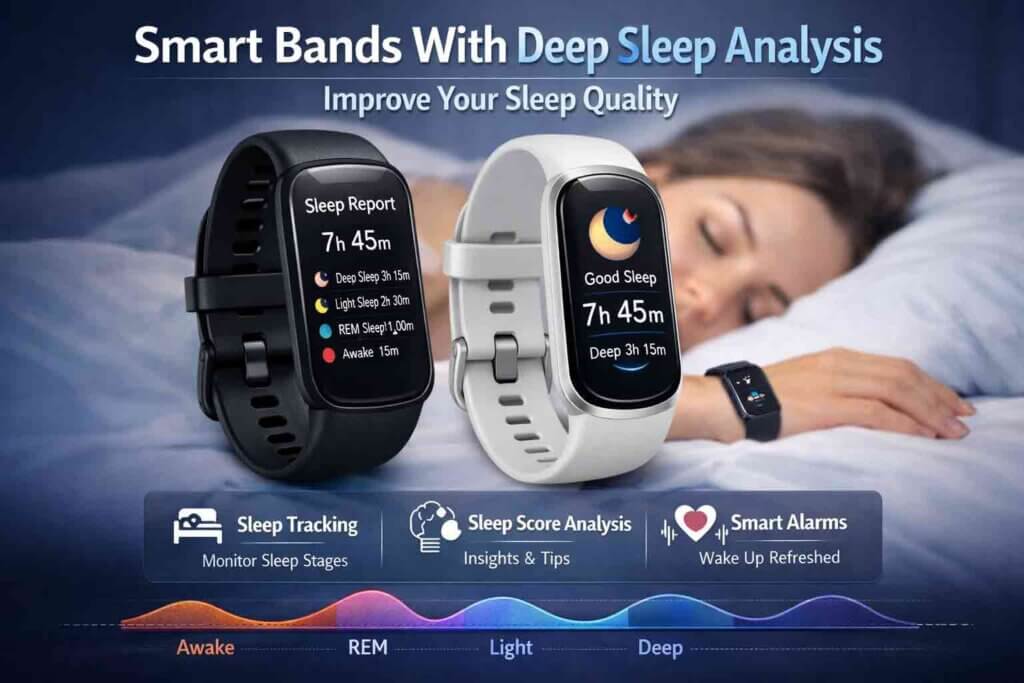
The most significant advancement in 2026 wearables may be the dramatic improvement in Artificial intelligence and machine learning integration alongside sensor evolution. Modern devices now offer medical-grade accuracy for vital sign monitoring, including heart rate, blood oxygen saturation (SpO2), and sleep stage detection. These sensors have become remarkably precise, though they’re still not perfect—environmental factors like cold weather or excessive movement can sometimes affect readings.
Artificial intelligence and machine learning integration has also reached a tipping point this year. Wearables now provide personalized coaching that adapts to your unique patterns and preferences, offering realistic recommendations rather than generic advice. This AI-driven approach tends to be more effective than traditional one-size-fits-all fitness programs, though the quality of insights often depends on how consistently you wear the device.
Battery technology has made impressive strides as well, with many devices now offering 7-10 days of continuous use. This extended battery life eliminates the frustration of frequent charging, though power-intensive features like GPS tracking and bright displays can still drain batteries more quickly than expected.
The variety of form factors available in 2026 is particularly noteworthy. Beyond traditional wristbands, we’re seeing innovative designs including smart rings, pendant-style devices, shoe pods, and clip-on monitors. This diversity means you can choose a form factor that seamlessly integrates with your lifestyle, whether you prefer something discreet or more traditional.
Budget-Friendly Options That Don’t Compromise on Quality
Affordable Wearables with Premium Features
The budget wearables segment has become incredibly competitive in 2026, with manufacturers offering impressive feature sets at accessible price points. Leading this category are devices that combine extended battery life with comprehensive health tracking capabilities.
One standout trend is the emergence of ultra-bright displays—some budget devices now offer 2,000 nits of brightness, making them easily readable even in direct sunlight. This is paired with extensive sports mode libraries, often featuring over 100 different activity types, from traditional running and cycling to more specialized activities like rock climbing or paddleboarding.
The versatility of these affordable devices is particularly impressive. Many can be worn in multiple configurations—as a traditional wristband, a pendant, or clipped onto clothing during specific activities like running. This adaptability makes them suitable for users who want flexibility in how they monitor their health throughout different parts of their day.
Battery performance in this price segment often exceeds expectations, with some devices lasting up to three weeks on a single charge. However, this extended battery life sometimes comes with trade-offs in terms of advanced features or continuous monitoring capabilities. The heart rate monitoring and sleep tracking in budget devices has become quite reliable, though they may not offer the depth of analysis found in premium alternatives.
For casual users who want solid health tracking without breaking the bank, these affordable options represent excellent value, particularly when paired with comprehensive smartphone apps that help interpret and act on the collected data.
Mid-Range Wearables: The Sweet Spot for Most Users
Balancing Features, Accuracy, and Value
The mid-range wearables market in 2026 represents what many consider the sweet spot for health monitoring technology. These devices typically offer significantly improved sensor accuracy compared to budget options, while maintaining reasonable price points that don’t require a major financial commitment.
Multi-sport tracking capabilities in this segment have become particularly sophisticated. Rather than simply recording basic metrics, these devices provide real-time biometric feedback that can help optimize training sessions. They might alert you when your heart rate zones suggest you should push harder, or conversely, when recovery indicators suggest you should ease up.
The coaching features integrated into mid-range devices tend to be more nuanced than their budget counterparts. They often consider multiple data points—sleep quality, resting heart rate trends, recent activity levels—to provide holistic recommendations. While these suggestions are generally helpful, they’re not always perfectly calibrated to individual needs, and some trial and error may be required to find what works best for you.
Comfort and wearability receive significant attention in this price category. Manufacturers understand that even the most feature-rich device won’t be effective if users find it uncomfortable to wear consistently. Advanced materials and ergonomic designs help ensure these devices can be worn comfortably during sleep, exercise, and daily activities.
Battery performance in mid-range devices typically offers about a week of intensive use, striking a reasonable balance between functionality and convenience. This duration tends to be sufficient for most users, though those who frequently use GPS tracking or other power-intensive features may find themselves charging more often than expected.
Performance-Focused Wearables for Serious Athletes and Recovery Optimization
Advanced Metrics for Training and Recovery
At the premium end of the wearables market, devices designed for performance and recovery offer incredibly detailed analytics that can be invaluable for serious athletes and health optimization enthusiasts. These specialized wearables go beyond basic activity tracking to provide insights that can genuinely influence training decisions and recovery strategies.
Performance-focused devices excel at providing comprehensive training data, including detailed metrics for runners such as ground contact time, stride length, and vertical oscillation. For multi-sport athletes, these devices often offer sport-specific coaching and can help with training periodization—though interpreting this wealth of data effectively often requires some learning and experience.
Recovery-focused wearables have made significant advances in monitoring qualitative metrics like heart rate variability (HRV) and sleep quality to assess training readiness. These devices can help identify when your body is prepared for intense training versus when it might benefit from rest or lighter activity. However, HRV readings can be influenced by various factors including stress, alcohol consumption, and illness, so the insights should be considered as part of a broader picture rather than absolute directives.
The detailed analytics provided by these premium devices can be overwhelming for casual users, but they offer tremendous value for those willing to invest time in understanding their bodies’ responses to training and lifestyle factors. The adaptive coaching features often improve over time as they learn your patterns, though they may not always account for external factors that influence your performance and recovery.
One area where these devices particularly shine is in identifying subtle trends that might not be apparent otherwise—such as gradual increases in resting heart rate that could indicate overtraining or the onset of illness.
Essential Features to Prioritize When Selecting Your Health Wearable
Navigating the Feature Landscape
When choosing a health wearable in 2026, sensor accuracy should be your primary consideration. Look for devices that consistently provide reliable heart rate, SpO2, and sleep stage data. While no consumer device is perfect, some are notably more accurate than others, particularly during exercise or in challenging conditions.
Battery life and charging convenience have become critical factors as users increasingly expect their devices to be truly lifestyle-integrated. Consider your personal tolerance for charging frequency—some people prefer charging every few days with more features, while others prioritize maximum battery life even if it means fewer advanced capabilities.
The physical comfort and form factor of your chosen device shouldn’t be underestimated. A wearable that causes irritation or feels cumbersome will likely end up in a drawer, regardless of its impressive feature set. Consider whether you prefer a traditional wristband design or something more discreet like a ring that can monitor your health almost invisibly.
The software ecosystem accompanying your device is equally important. Evaluate the app’s usability, data visualization capabilities, and privacy policies. Some manufacturers excel at creating intuitive interfaces, while others may offer powerful features that are not always accessible to average users. Third-party integration capabilities can also be valuable if you want to combine data from multiple sources.
Be aware of common feature trade-offs: devices with brighter displays typically have shorter battery life, while those offering extensive coaching features may be more complex to navigate initially.
The Future Landscape of Health Wearables Beyond 2026
Emerging Technologies and Integration Opportunities
Looking beyond 2026, sensor miniaturization and multi-modal health monitoring promise to make wearables even more capable and less intrusive. We can expect devices that monitor an expanding array of biomarkers while becoming progressively smaller and more comfortable to wear.
Artificial intelligence will likely play an increasingly sophisticated role in continuous health risk prediction and personalized interventions. Future wearables may be able to detect early signs of illness or health issues before symptoms become apparent, though this capability will require careful validation and regulatory oversight.
The potential for seamless integration with healthcare providers and electronic medical records represents a significant opportunity for preventive care. However, data privacy and security concerns will need to be carefully addressed as these integrations develop.
We’re also likely to see continued diversification away from wrist-based devices, with smart rings, clothing-integrated sensors, and other innovative form factors gaining popularity among users who want health monitoring without the traditional wearable aesthetic.
Making the Right Choice for Your Health Journey
The health wearables market in 2026 offers compelling options across every budget and use case. Whether you’re looking for basic activity tracking, comprehensive health monitoring, or advanced performance analytics, there’s likely a device that aligns with your specific needs and preferences.
The key to success lies in choosing a device that matches your actual usage patterns and health goals, rather than being swayed by impressive feature lists that you may not actually use. Consider starting with a device that offers core features reliably, and you can always upgrade to more advanced options as your needs evolve.
For those seeking medical-grade accuracy and personalized longevity coaching without ongoing subscription fees, solutions like the blēo ring and blēo band represent the kind of focused, premium approach that’s becoming increasingly valuable in this crowded market. As wearable technology continues to advance, staying informed about emerging developments will help you make the best investment in your long-term health and wellness journey.
Frequently Asked Questions
Which health wearables are best in 2026 for tracking longevity?
Can a smartwatch detect heart problems?
How accurate are wearables for tracking sleep and recovery?
Will using a wearable help me live longer?
How do I choose the right wearable for preventive healthcare?