
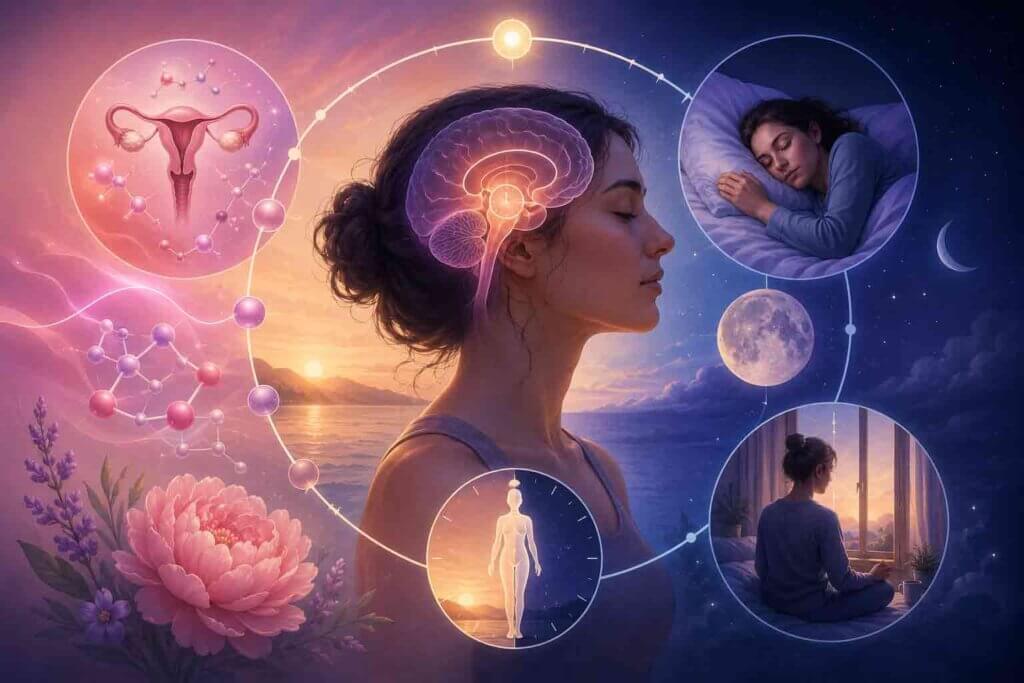
Understanding the Connection Between Female Hormones and Sleep
The human body follows a natural internal clock known as the circadian rhythm. This biological timing system controls sleeping and waking cycles, energy levels, metabolism, mood, body temperature, and hormone production. In women, hormones play a particularly important role in regulating this rhythm. Female hormones fluctuate throughout the menstrual cycle, pregnancy, postpartum recovery, and menopause, making sleep patterns more sensitive and complex.
Many women notice changes in sleep quality during different phases of life. Some experience insomnia before their periods, while others wake up repeatedly during pregnancy or struggle with night sweats during menopause. These changes are not random. They are closely connected to the interaction between estrogen, progesterone, melatonin, and cortisol.
Understanding how female hormones influence circadian rhythm can help women improve sleep quality, regulate energy levels, reduce fatigue, and support overall wellness naturally.
What Is Circadian Rhythm?
Circadian rhythm is the body’s built in 24 hour timing system. It responds mainly to light and darkness. When sunlight enters the eyes in the morning, the brain signals the body to wake up and become alert. At night, darkness triggers the release of melatonin, a hormone that promotes sleep.
This internal clock affects many essential functions, including:
Sleep and Wake Cycles
The circadian rhythm controls when you feel sleepy and when you feel energized. A healthy rhythm promotes deeper sleep at night and steady alertness during the day.
Hormone Production
Hormones rise and fall according to circadian timing. Cortisol is typically highest in the morning to increase alertness, while melatonin rises in the evening to prepare the body for rest.
Body Temperature
Body temperature naturally drops at night to encourage sleep and rises during the day to support activity and concentration.
Digestion and Metabolism
Circadian rhythm also influences hunger, insulin sensitivity, and metabolism. Irregular sleep patterns can disrupt these processes and affect hormone balance.
For women, hormonal fluctuations can either support or disrupt this delicate timing system.
How Female Hormones Affect Sleep
Female hormones directly influence the nervous system, brain chemistry, and sleep regulation. The two primary reproductive hormones are estrogen and progesterone.
Estrogen and Sleep Quality
Estrogen supports serotonin production and helps regulate body temperature. It also influences melatonin activity, which impacts circadian rhythm and sleep timing.
Healthy estrogen levels may help:
- Promote deeper sleep
- Improve mood stability
- Reduce nighttime awakenings
- Support REM sleep
However, when estrogen levels fluctuate dramatically, sleep disturbances can occur. Low estrogen is commonly associated with hot flashes, night sweats, anxiety, and insomnia.
Progesterone as a Natural Relaxant
Progesterone is often called the body’s natural calming hormone. It has mild sedative effects and supports relaxation by interacting with GABA receptors in the brain.
Higher progesterone levels may:
- Improve sleep onset
- Reduce anxiety
- Promote calmness
- Support uninterrupted sleep
When progesterone drops before menstruation or during menopause, many women experience restlessness, mood changes, and poor sleep quality.
The Menstrual Cycle and Circadian Rhythm
The menstrual cycle creates regular hormonal changes that affect energy, mood, and sleep throughout the month. Understanding these phases can help women align their routines with their body’s natural rhythms.
Follicular Phase and Energy Boost
The follicular phase begins after menstruation. During this time, estrogen gradually rises. Many women feel more energetic, motivated, and mentally sharp.
Sleep quality is often better during this phase because hormone levels are relatively stable. Circadian rhythm tends to remain balanced, supporting consistent sleep and daytime energy.
Ovulation and Hormonal Peak
Ovulation occurs around the middle of the cycle. Estrogen reaches its highest point, and luteinizing hormone surges.
Some women experience excellent sleep during ovulation, while others may notice slight restlessness due to increased body temperature. Elevated estrogen can temporarily affect melatonin production and circadian timing.
Luteal Phase and Sleep Disruptions
The luteal phase occurs after ovulation. Progesterone rises initially, creating feelings of calmness and drowsiness. However, as menstruation approaches, both estrogen and progesterone decline sharply.
This hormonal drop can cause:
- Difficulty falling asleep
- Increased anxiety
- Nighttime awakenings
- Vivid dreams
- Fatigue during the day
Women with PMS or PMDD often experience stronger circadian rhythm disruptions during this phase.
Why Women Experience Insomnia Before Periods
Premenstrual insomnia is extremely common. Hormonal changes affect neurotransmitters such as serotonin and GABA, making it harder for the brain to relax.
Temperature Changes and Sleep
Progesterone slightly increases body temperature after ovulation. Since the body naturally cools down before sleep, this temperature shift can interfere with deep rest.
Emotional Sensitivity
Hormonal fluctuations also increase emotional sensitivity and stress responsiveness. Anxiety and racing thoughts often worsen before menstruation, making sleep less restorative.
Cravings and Blood Sugar Fluctuations
Cravings for sugar and processed foods during PMS can destabilize blood sugar levels, which may lead to nighttime awakenings and reduced sleep quality.
Circadian Rhythm During Pregnancy
Pregnancy creates dramatic hormonal shifts that significantly affect sleep patterns.
First Trimester Fatigue
During early pregnancy, progesterone rises rapidly. This hormone promotes drowsiness and can cause overwhelming daytime fatigue.
Many pregnant women feel exhausted even after a full night’s sleep because the body is working harder to support fetal development.
Second Trimester Sleep Changes
Sleep often improves slightly during the second trimester. However, vivid dreams, increased urination, and body discomfort may still interrupt rest.
Circadian rhythm can become less predictable due to changing hormone levels and physical stress on the body.
Third Trimester Sleep Disruptions
In the final trimester, sleep quality often declines again. Common issues include:
- Frequent bathroom trips
- Back pain
- Heartburn
- Anxiety about labor
- Restless legs syndrome
These symptoms can weaken the body’s natural sleep wake cycle and contribute to chronic fatigue.
Postpartum Hormones and Sleep Deprivation
After childbirth, hormone levels drop rapidly. Estrogen and progesterone decrease dramatically within days.
At the same time, newborn care disrupts normal circadian rhythm because feeding schedules interrupt nighttime sleep repeatedly.
Emotional Impact of Hormonal Changes
Sleep deprivation combined with hormonal fluctuations may contribute to postpartum mood changes, anxiety, and depression.
Melatonin production may also become irregular due to fragmented sleep patterns and nighttime light exposure during infant care.
Recovery Takes Time
It can take months for circadian rhythm and hormonal balance to stabilize after childbirth. Supporting sleep whenever possible is essential for physical and emotional recovery.
Menopause and Circadian Rhythm Explained
Menopause is one of the most significant hormonal transitions in a woman’s life. During this stage, estrogen and progesterone levels decline permanently.
These hormonal changes strongly affect sleep quality and circadian rhythm.
Hot Flashes and Night Sweats
Low estrogen affects temperature regulation in the brain. Many women experience sudden waves of heat that interrupt sleep multiple times per night.
Night sweats can severely reduce deep sleep and increase daytime exhaustion.
Increased Risk of Insomnia
Women in perimenopause and menopause commonly report:
- Difficulty falling asleep
- Waking too early
- Light sleep
- Frequent nighttime awakenings
Circadian rhythm may shift, causing earlier wake times and increased fatigue during the afternoon.
Mood Changes and Sleep Disturbances
Hormonal decline can also affect serotonin and cortisol balance, increasing the likelihood of anxiety and depression, both of which impact sleep.
The Role of Melatonin in Women’s Health
Melatonin is the hormone responsible for regulating sleep timing. It rises in darkness and falls in response to light exposure.
Female hormones interact closely with melatonin production.
Estrogen and Melatonin Connection
Estrogen may influence melatonin sensitivity and sleep timing. Fluctuating estrogen levels can alter circadian rhythm stability, especially during menopause.
Blue Light and Hormonal Disruption
Excessive screen exposure at night suppresses melatonin production. This can worsen hormonal sleep disturbances and delay sleep onset.
Women who already experience hormonal insomnia may be more sensitive to nighttime light exposure.
Cortisol, Stress, and Hormonal Imbalance
Cortisol is the body’s primary stress hormone. It should naturally peak in the morning and decline at night.
Chronic stress disrupts this rhythm and interferes with reproductive hormones.
High Cortisol and Poor Sleep
When cortisol remains elevated at night, the body stays in a state of alertness. This can lead to:
- Difficulty falling asleep
- Light sleep
- Early waking
- Increased anxiety
Stress also affects progesterone production because both cortisol and progesterone share common hormonal pathways.
Hormonal Burnout and Fatigue
Long term circadian disruption may contribute to hormonal burnout symptoms such as exhaustion, irritability, brain fog, and irregular cycles.
Signs Your Circadian Rhythm May Be Disrupted
Many women experience circadian rhythm imbalance without realizing it. Common symptoms include:
Constant Daytime Fatigue
Feeling exhausted despite getting enough sleep may indicate circadian misalignment.
Difficulty Falling Asleep
A delayed sleep cycle often makes it difficult to feel sleepy at night.
Mood Swings and Irritability
Hormonal imbalance and poor sleep can affect emotional regulation and stress tolerance.
Sugar Cravings and Low Energy
Circadian disruption affects insulin sensitivity and appetite hormones, increasing cravings and energy crashes.
Brain Fog and Poor Focus
Inadequate restorative sleep impacts memory, concentration, and cognitive performance.
How to Support Hormonal Balance Naturally
Supporting circadian rhythm naturally can improve hormone health and sleep quality.
Morning Sunlight Exposure
Getting sunlight within the first hour of waking helps reset circadian rhythm and improve melatonin production later at night.
Natural light exposure also supports cortisol balance and daytime energy.
Consistent Sleep Schedule
Going to bed and waking up at the same time daily strengthens the body’s internal clock.
Irregular sleep schedules can worsen hormonal fluctuations and insomnia symptoms.
Reduce Blue Light at Night
Limiting screen exposure before bed helps melatonin rise naturally.
Using dim lighting during the evening can support relaxation and sleep readiness.
Eat Balanced Meals
Stable blood sugar supports hormone regulation and better sleep quality.
Meals rich in protein, healthy fats, magnesium, and fiber may reduce PMS related sleep disturbances.
Exercise Regularly
Moderate exercise improves circadian rhythm, reduces stress, and supports hormonal health.
However, intense late night workouts may overstimulate the nervous system and interfere with sleep.
Best Sleep Habits for Women
Women may benefit from sleep routines specifically designed to support hormonal balance.
Create a Relaxing Bedtime Routine
Calming activities before bed signal the brain that it is time to rest. Reading, stretching, meditation, or warm showers may improve sleep onset.
Keep the Bedroom Cool
Cool temperatures support melatonin production and reduce nighttime overheating, especially during menopause.
Avoid Excessive Caffeine
Caffeine can remain in the body for several hours and interfere with deep sleep. Women sensitive to hormonal fluctuations may notice stronger effects.
Prioritize Stress Management
Managing stress through mindfulness, journaling, breathing exercises, or therapy can improve both sleep and hormone balance.
Can Circadian Rhythm Affect Fertility?
Circadian rhythm may influence reproductive health and fertility.
Research suggests that irregular sleep schedules, night shift work, and chronic sleep deprivation can interfere with ovulation and hormone production.
Sleep and Ovulation
Healthy sleep supports the release of reproductive hormones involved in ovulation.
Disrupted circadian rhythm may affect cycle regularity and hormone signaling.
Shift Work and Hormonal Health
Women who work night shifts often experience higher rates of irregular periods, fatigue, and hormonal imbalance due to chronic circadian disruption.
The Connection Between Sleep and Mental Health in Women
Sleep and mental health are deeply interconnected.
Hormonal fluctuations combined with poor sleep may increase vulnerability to anxiety and depression.
Emotional Processing During Sleep
Deep sleep helps the brain regulate emotions and process stress effectively.
When sleep is interrupted repeatedly, emotional resilience declines.
Hormonal Sensitivity and Mood
Women are biologically more sensitive to hormonal shifts throughout life stages. Protecting sleep quality is essential for emotional well being.
Simple Daily Habits That Improve Circadian Rhythm
Small lifestyle changes can create major improvements in hormonal balance and sleep quality.
Waking up at the same time every day helps regulate the body clock. Eating meals consistently, spending time outdoors, staying physically active, and reducing nighttime stimulation all support circadian health.
Even minor improvements in sleep hygiene can positively affect energy, mood, metabolism, and reproductive wellness.
Conclusion
Female hormones, sleep patterns, and circadian rhythm are deeply connected. Hormonal changes throughout the menstrual cycle, pregnancy, postpartum recovery, and menopause influence how women sleep, feel, and function every day.
Estrogen and progesterone affect brain chemistry, temperature regulation, mood, and melatonin production. When these hormones fluctuate, circadian rhythm can become disrupted, leading to fatigue, insomnia, irritability, and low energy.
Understanding this connection empowers women to make informed lifestyle choices that support hormonal balance naturally. Prioritizing consistent sleep schedules, stress management, healthy nutrition, regular movement, and light exposure can strengthen circadian rhythm and improve overall wellness.
Better sleep is not just about feeling rested. It is essential for hormone regulation, emotional health, metabolism, fertility, and long term vitality. By working with the body’s natural rhythm instead of against it, women can experience improved energy, better mood stability, and healthier hormonal function throughout every stage of life.
Frequently Asked Questions
How do female hormones affect sleep?
Female hormones like estrogen and progesterone influence sleep quality, mood, body temperature, and relaxation, which directly affect sleep patterns.
Why do women experience insomnia before their periods?
Hormonal changes before menstruation can increase anxiety, body temperature, and emotional sensitivity, making it harder to fall asleep.
What is circadian rhythm in women?
Circadian rhythm is the body’s natural 24 hour clock that regulates sleep, hormones, energy, and other biological functions.
Can menopause disrupt sleep patterns?
Yes, menopause often causes hot flashes, night sweats, and hormonal fluctuations that can lead to insomnia and poor sleep quality.
How can women improve circadian rhythm naturally?
Women can support circadian rhythm by maintaining a consistent sleep schedule, getting morning sunlight, reducing screen time at night, and managing stress effectively.