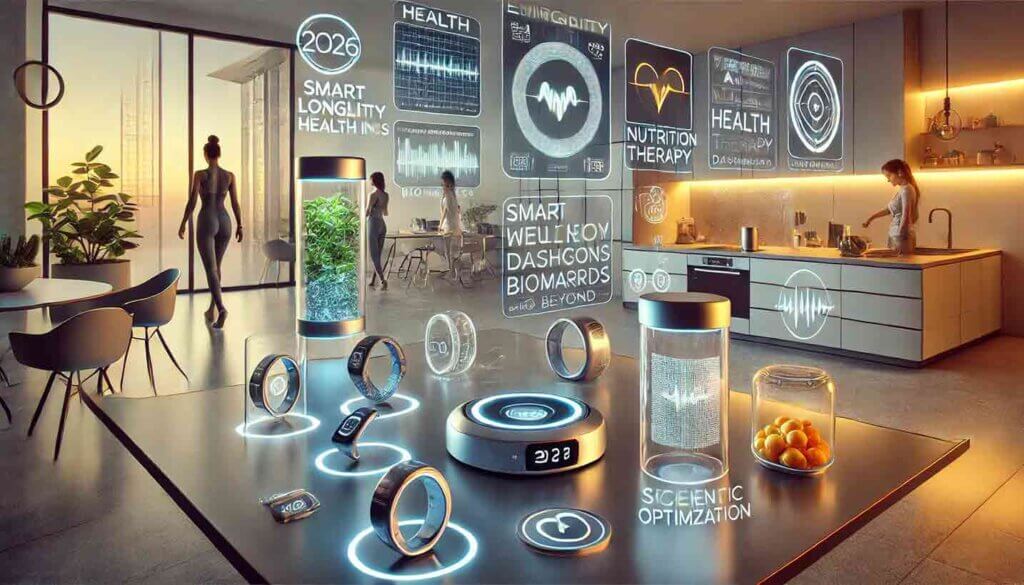
The longevity technology sector is entering a defining era. In 2026 and beyond, longevity gadgets are no longer limited to simple fitness trackers or sleep monitors. They are evolving into integrated, AI-powered bio-monitoring systems that deliver continuous physiological insight, predictive analytics, and real-time behavioral optimization. The market is shifting toward devices that do more than measure steps or heart rate—they interpret biological signals, forecast health trajectories, and empower individuals to extend both lifespan and healthspan.
The Evolution of Longevity Technology in 2026
The convergence of artificial intelligence, biometric sensing, and precision health science has fundamentally transformed wearable technology. What once began as simple activity trackers has matured into continuous health intelligence platforms capable of tracking heart rate variability, stress biomarkers, circadian rhythm alignment, sleep architecture, oxygen saturation, and recovery scores in real time.
In 2026, longevity gadgets are no longer reactive. They are predictive. Devices analyze longitudinal data patterns to forecast fatigue accumulation, immune vulnerability, metabolic strain, and stress-induced performance decline. This shift from descriptive tracking to predictive longevity modeling defines the next phase of personal health innovation.
AI-Driven Biometrics: The Core of Future Longevity Gadgets
Artificial intelligence is the engine driving the next generation of longevity devices. Machine learning models now process massive volumes of biometric data to generate personalized health recommendations. These algorithms continuously adapt based on user behavior, environmental exposure, and physiological response patterns.
Rather than offering generic metrics, advanced longevity wearables deliver context-aware insights. For example, heart rate variability data is no longer presented as a static number; it is analyzed in relation to sleep debt, work stress, hydration levels, and recovery load. This multidimensional analysis provides actionable intelligence that supports sustainable long-term health optimization.
The devices emerging in 2026 are built around three pillars: continuous sensing, adaptive learning, and proactive intervention.
Smart Rings and Bands: The Future of Discreet Longevity Monitoring
Among the most influential product categories in longevity technology are smart rings and advanced health bands. These compact, ergonomic wearables provide sophisticated biometric tracking while maintaining comfort and subtlety.
A standout innovation in this space is the Bleo Ring. This advanced smart ring exemplifies the shift toward minimalist design combined with powerful internal analytics. It tracks stress patterns, sleep quality, heart rate variability, and overall recovery metrics with medical-grade precision. Its discreet design ensures consistent wear, which is critical for accurate longitudinal data collection.
Similarly, the Bleo Band, represents the evolution of the smart health band. Unlike traditional fitness trackers, this band integrates AI-powered stress tracking, sleep optimization algorithms, and recovery intelligence. Its data modeling goes beyond activity tracking to deliver personalized longevity insights designed to reduce burnout, optimize performance cycles, and improve physiological resilience.
These devices illustrate how 2026 longevity gadgets prioritize continuous passive monitoring without sacrificing design sophistication or user comfort.
Sleep Optimization as a Longevity Foundation
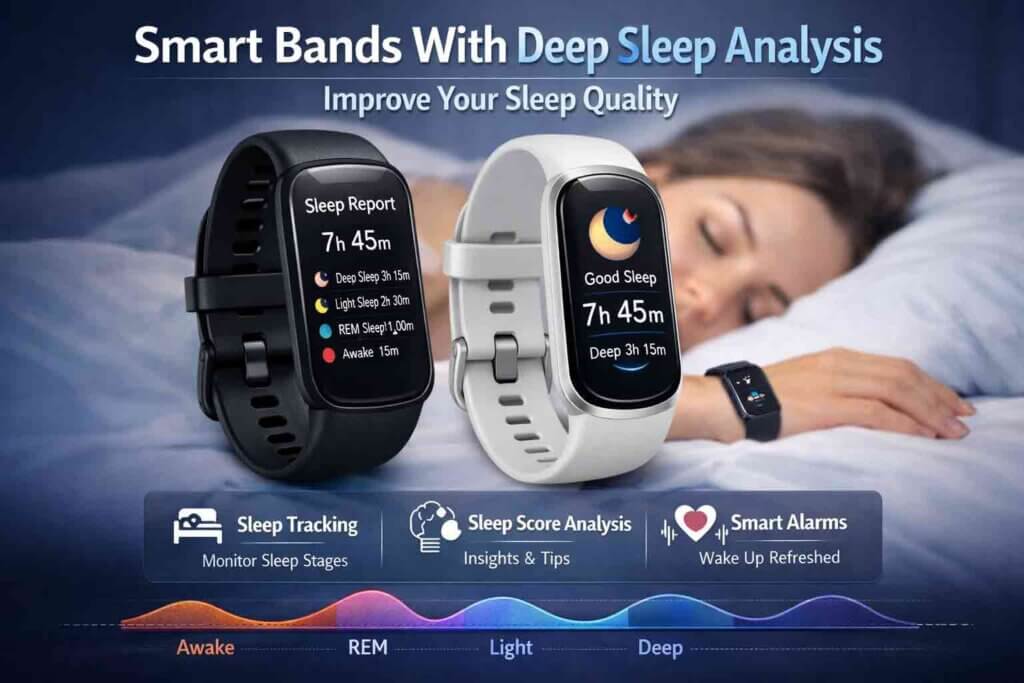
Sleep science has become central to longevity technology. Emerging devices now analyze sleep architecture in unprecedented detail, tracking REM cycles, deep sleep duration, wake disturbances, and circadian misalignment.
In 2026, longevity gadgets incorporate advanced algorithms that detect early indicators of chronic stress through disrupted sleep patterns. They provide dynamic sleep coaching recommendations based on real-time data, encouraging earlier wind-down routines, optimized room temperature conditions, and improved circadian alignment.
Sleep is no longer measured solely in hours. It is evaluated in terms of quality, recovery efficiency, and hormonal balance support. Devices like the Bleo Ring and Bleo Band integrate these insights directly into daily readiness scores, helping users understand how sleep impacts metabolic health, cognitive function, and immune resilience.
Stress Tracking and Nervous System Regulation
Chronic stress is a primary driver of accelerated aging. Longevity gadgets emerging in 2026 are placing increased emphasis on autonomic nervous system regulation.
Heart rate variability tracking has become a central metric in stress assessment. Advanced wearables analyze HRV fluctuations alongside respiration rate, resting heart rate, and sleep debt to generate stress load indicators. Rather than simply reporting stress levels, next-generation devices suggest targeted interventions such as breathing exercises, recovery periods, or workload adjustments.
These devices demonstrate how compact wearables can continuously monitor stress biomarkers throughout the day. This continuous tracking allows users to identify subtle stress triggers and adjust behavior proactively. The result is improved resilience, reduced inflammation, and enhanced long-term vitality.
Metabolic Health and Continuous Glucose Integration
Beyond traditional biometrics, longevity gadgets are increasingly integrating metabolic health indicators. Continuous glucose monitoring technology is moving toward non-invasive solutions, enabling real-time metabolic feedback without intrusive methods.
In 2026 and beyond, wearable devices are expected to combine glucose variability data with sleep metrics, stress indicators, and physical activity patterns. This holistic metabolic intelligence enables users to understand how dietary choices affect energy stability, fat oxidation efficiency, and cognitive clarity.
Longevity technology is moving toward an ecosystem approach where metabolic, cardiovascular, and neurological signals are analyzed collectively. This integration marks a pivotal advancement in personalized longevity strategy.
Predictive Health Modeling and Early Risk Detection
The most transformative development in longevity gadgets is predictive health modeling. AI algorithms trained on large-scale biometric datasets can now detect early deviations from baseline patterns.
Rather than waiting for symptoms, these devices identify micro-trends in heart rate variability, sleep disruption, or resting heart rate changes that may signal immune stress or overtraining. Early alerts allow users to intervene before health declines become visible.
The next wave of longevity wearables will likely integrate genetic data overlays and environmental exposure analysis. This fusion of biological and environmental intelligence will produce deeply personalized health trajectories.
Recovery Intelligence and Performance Longevity
Longevity is not solely about lifespan; it is about sustained peak performance. Recovery intelligence has become a defining feature of emerging gadgets.
Wearables in 2026 assess cumulative fatigue, muscular strain, and stress accumulation to determine optimal recovery windows. This prevents burnout and overtraining while supporting cognitive sharpness and physical vitality.
Health devices translate recovery data into clear readiness indicators. These readiness scores allow professionals, athletes, and executives to align workload intensity with physiological capacity. The result is improved productivity and long-term health preservation.
Design Innovation and Everyday Integration
One of the most important trends in longevity gadgets is seamless lifestyle integration. Devices must be comfortable, aesthetically refined, and durable enough for continuous wear.
Smart rings have gained popularity because they eliminate the bulk of traditional wrist wearables. Bands, meanwhile, provide broader sensor arrays without compromising style. The success of longevity products demonstrates that longevity technology must balance precision engineering with elegant design.
Users demand longevity devices that feel natural, unobtrusive, and compatible with professional and social environments. This design evolution ensures long-term compliance and data continuity.
Data Privacy and Secure Health Ecosystems
As longevity gadgets collect increasingly sensitive biometric data, privacy infrastructure has become essential. Encrypted cloud storage, secure AI processing, and transparent data policies define leading platforms in 2026.
Users expect full control over their health intelligence. Secure ecosystems enhance trust and support broader adoption of predictive health technologies.
The Future Landscape of Longevity Gadgets
Looking beyond 2026, longevity gadgets will likely integrate nanotechnology sensors, hydration tracking at cellular precision, blood pressure modeling through optical signals, and cognitive fatigue detection via neural biomarkers.
The long-term vision of longevity technology involves a fully integrated personal health AI assistant. This system will continuously analyze biological data streams and deliver micro-adjustments to daily routines, diet, work cycles, and recovery strategies.
The devices emerging today, including bleo.ai represent foundational components of that future. They embody the transition from simple wearables to intelligent longevity companions.
Conclusion: The New Standard of Health Optimization
Longevity gadgets in 2026 and beyond are reshaping how individuals approach health management. They combine artificial intelligence, biometric precision, predictive analytics, and elegant design to create an ecosystem focused on extending healthspan.
Smart rings and advanced health bands are leading this transformation. The longevity health wearables illustrate how compact devices can deliver comprehensive stress monitoring, sleep optimization, and recovery intelligence in real time.
The future of longevity lies in continuous insight, proactive intervention, and seamless integration. As technology advances, individuals gain unprecedented control over biological optimization. The era of passive health monitoring is over. The era of predictive, AI-powered longevity intelligence has begun.
Frequently Asked Questions
1. What are longevity gadgets and how do they work?
Longevity gadgets are advanced wearable devices designed to monitor key health metrics such as heart rate variability, sleep quality, stress levels, and recovery patterns. Using AI-powered analytics, these devices interpret continuous biometric data to provide predictive insights and personalized recommendations that support long-term health and performance optimization.
2. How are smart rings and smart bands different from traditional fitness trackers?
Traditional fitness trackers primarily focus on steps, calories, and basic heart rate monitoring. Modern longevity devices like smart rings and bands go much deeper. They analyze advanced biomarkers such as HRV, sleep architecture, nervous system balance, and recovery load. This allows them to deliver proactive health guidance rather than simple activity summaries.
3. Can longevity gadgets help reduce stress and improve sleep?
Yes. Advanced devices use continuous stress tracking and sleep analysis to detect patterns linked to fatigue and nervous system imbalance. By offering actionable insights—such as optimal recovery timing, sleep optimization strategies, and breathing guidance—they help users improve sleep quality and manage stress more effectively over time.
4. Are longevity wearables suitable for everyday use?
Modern longevity gadgets are designed for 24/7 wear. Smart rings and health bands are lightweight, discreet, and durable, making them suitable for professional, athletic, and casual environments. Continuous wear ensures accurate long-term data collection and better predictive health insights.
5. What makes 2026 longevity technology different from previous generations?
The key difference is predictive intelligence. Instead of simply reporting past activity, 2026 longevity devices use AI and machine learning to forecast health trends, detect early warning signals, and recommend proactive adjustments. This shift from reactive tracking to predictive health modeling represents a major advancement in personal longevity optimization.