The postpartum period is one of the most physically and emotionally demanding phases of a woman’s life. Your body has just done something extraordinary, and now it is working hard behind the scenes to recover, rebalance, and rebuild. Yet for most new mothers, there is very little real-time insight into what is actually happening inside their bodies after birth. You feel exhausted, overwhelmed, and uncertain, but there is rarely a tool specifically designed to help you understand your own recovery.
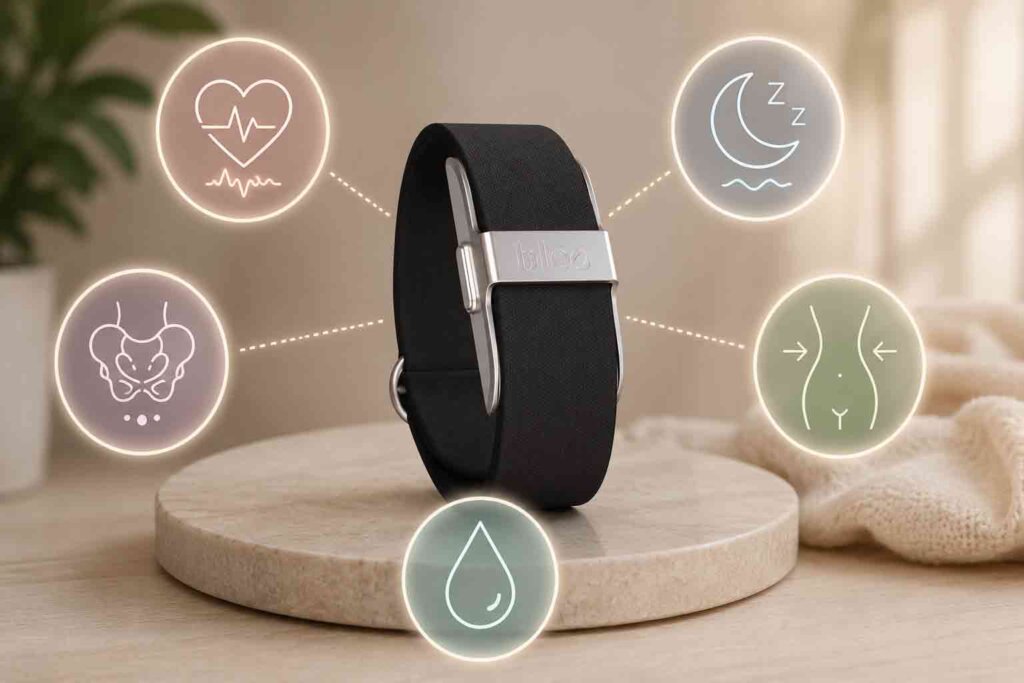
That is exactly where the blēo band comes in. Designed specifically for the fourth trimester, the blēo band is a postpartum wearable that goes far beyond basic fitness tracking. It is built around the unique physiological needs of new mothers, monitoring the health signals that matter most during recovery. In this article, we are going to walk through the 5 postpartum health signals the blēo band tracks for you, and explain why each one plays a critical role in your healing journey.
What Is the Blēo Band and Why Was It Created?
Before diving into the specific signals, it helps to understand the gap in the market that the blēo band was designed to fill. Most wearable devices on the market today were built with a general fitness-focused user in mind. They measure steps, calories burned, sleep duration, and heart rate in ways that are completely disconnected from the experience of postpartum recovery.
New mothers are not training for a 5K in the weeks after delivery. They are healing from childbirth, managing hormonal shifts, navigating sleep deprivation on a completely different level, and trying to breastfeed while also functioning as a human being. The blēo band was created to speak directly to this experience. It is a health monitoring device rooted in maternal science, and it gives postpartum women the kind of data-driven clarity that was previously only available in clinical settings.
Why Tracking Postpartum Health Signals Matters
Many postpartum complications go undetected because new mothers either dismiss their symptoms as normal exhaustion or simply do not have a way to quantify what their body is telling them. Postpartum health monitoring is not just about convenience; it is about safety, informed recovery, and catching warning signs early.
Conditions like postpartum hypertension, excessive blood loss, infection, and postpartum depression can escalate quickly if left unmonitored. When a wearable device is designed to track the right signals in context, it becomes a genuine support system rather than just another piece of technology.
That is the foundation on which the blēo band operates.
The 5 Postpartum Health Signals the Blēo Band Tracks for You
1. Heart Rate and Heart Rate Variability
Heart rate monitoring is one of the most important baseline signals for postpartum recovery. After childbirth, your cardiovascular system is in a state of significant flux. Blood volume, cardiac output, and vascular resistance all shift dramatically in the days and weeks following delivery.
The blēo band continuously tracks your resting heart rate and heart rate variability (HRV), giving you and your care team insight into how your heart is adapting to these changes. An elevated resting heart rate can signal dehydration, infection, anemia, or postpartum complications like pulmonary embolism, which is one of the leading causes of maternal mortality in the weeks after birth.
Heart rate variability is particularly valuable because it reflects the balance between your sympathetic and parasympathetic nervous systems. A lower HRV often indicates that your body is under significant stress, whether from poor sleep, emotional strain, or physical recovery challenges. Tracking HRV over time helps paint a picture of your overall recovery trajectory rather than offering just a snapshot.
Why This Signal Matters During the Fourth Trimester
The fourth trimester, which refers to the first 12 weeks after delivery, is the highest-risk window for cardiovascular complications in postpartum women. Having continuous heart rate data is not just informative; it is potentially life-saving. The blēo band makes this kind of monitoring accessible without requiring a hospital visit.
2. Blood Oxygen Saturation (SpO2)
Blood oxygen levels, measured through a metric called SpO2, tell you how efficiently your body is circulating oxygen through your bloodstream. For postpartum women, this signal is particularly relevant for a few reasons.
First, many women experience varying degrees of anemia after childbirth due to blood loss during delivery. Anemia directly affects how well oxygen is transported through the body, and low SpO2 levels can be an early indicator that your red blood cell count or iron levels need attention.
Second, blood oxygen monitoring is critical for detecting respiratory complications. Postpartum women who had C-sections, experienced complications during labor, or who are dealing with pre-existing conditions like sleep apnea are at heightened risk. The blēo band tracks your SpO2 around the clock, including during sleep, which is when oxygen dips often go completely unnoticed.
How SpO2 Connects to Postpartum Fatigue
One of the most common complaints among new mothers is extreme, persistent fatigue that goes beyond what sleep deprivation alone can explain. Low blood oxygen saturation is a frequently overlooked contributor to this kind of debilitating tiredness. When your body is not efficiently using the oxygen available to it, every task feels harder, your mental clarity suffers, and your emotional resilience decreases. The blēo band’s SpO2 tracking helps identify whether your fatigue has a measurable physiological cause.
3. Skin Temperature
Skin temperature is a remarkably sensitive indicator of what is happening inside your body. Even small shifts in your baseline skin temperature can signal infection, hormonal changes, inflammation, or the beginning of a fever before you feel traditionally unwell.
In the postpartum period, infection is a serious concern. Whether from a cesarean incision, perineal tearing, or retained placental tissue, postpartum infections can escalate quickly. The blēo band continuously monitors your baseline skin temperature and alerts you to meaningful deviations from your personal normal, which is far more useful than a single temperature reading taken at a random point in the day.
Temperature Tracking and Postpartum Hormonal Shifts
Beyond infection monitoring, skin temperature is also deeply tied to hormonal fluctuations. After delivery, estrogen and progesterone levels drop sharply, and this affects your body’s thermoregulation. Many women experience night sweats and dramatic temperature swings in the weeks after birth. The blēo band contextualizes these fluctuations by tracking them over time, helping you understand whether what you are experiencing is within the range of normal hormonal adjustment or something worth discussing with your doctor.
4. Sleep Quality and Sleep Patterns
Everyone knows that new mothers do not sleep well. But there is a significant difference between knowing you are sleep-deprived and understanding the architecture of your sleep and how it is affecting your recovery. The blēo band goes beyond simply counting the hours you spend in bed.
It tracks your sleep stages, including light sleep, deep sleep, and REM sleep, and evaluates the quality of each period based on your movement, heart rate, and respiratory patterns. This matters enormously because restorative sleep is not just about duration. A mother who gets seven fragmented hours of predominantly light sleep is recovering very differently from one who gets five hours with substantial deep sleep cycles.
The Connection Between Sleep and Postpartum Mental Health
Postpartum depression and anxiety are strongly linked to sleep disruption. When your brain is denied the REM sleep it needs for emotional processing and memory consolidation, your mood regulation systems are severely compromised. By giving you detailed sleep data, the blēo band helps you and your healthcare provider identify patterns that may be contributing to postpartum mental health challenges. It also helps you make smarter decisions about when to rest, when to accept help, and how to structure your environment for better sleep opportunities.
5. Stress and Recovery Score
The fifth and arguably most holistic signal the blēo band tracks is your overall stress and recovery level. This is not a single data point but rather a composite signal drawn from your heart rate variability, sleep quality, skin temperature, activity levels, and other physiological inputs combined into a daily recovery score.
Think of it as your body’s honest report card for the day. On days when your score is low, your body is telling you that it needs more rest, more support, or closer monitoring. On days when your score is higher, you may have more capacity to engage in gentle movement, social connection, or other aspects of postpartum life.
Why a Recovery Score Is Uniquely Valuable for New Mothers
New mothers are often told to “listen to their body,” but that advice is frustratingly vague when you are exhausted, emotionally raw, and unsure of what normal even feels like anymore. A quantified recovery score gives that advice a concrete foundation. It removes the guesswork and provides a daily anchor point from which you can make informed decisions about how to care for yourself.
The blēo band’s recovery scoring system is designed specifically around postpartum physiology, which means the benchmarks and algorithms used reflect the realities of recovering from childbirth rather than the norms applied to a general adult population.
How the Blēo Band Supports Whole-Person Postpartum Care
What makes the blēo band genuinely different from other wearables is not just the specific signals it tracks but the context in which it tracks them. Every metric is interpreted through the lens of postpartum recovery. The app experience, the alerts, and the insights are all designed to make sense to a new mother who is managing a thousand things at once.
The device is also designed for comfort and wearability during the postpartum period, accounting for physical sensitivities, swelling, and the practical reality that new mothers do not have time to fiddle with complex technology.
What Healthcare Providers Are Saying About Postpartum Wearables
The field of maternal health technology is growing rapidly, and clinicians are increasingly recognizing the value of continuous data collection in the postpartum window. Obstetricians, midwives, and maternal-fetal medicine specialists have long known that the six-week postpartum checkup is not sufficient for most women. A significant number of postpartum complications emerge and escalate between the day of discharge from the hospital and that first follow-up appointment.
Wearables like the blēo band fill this critical gap by providing continuous monitoring and flagging changes that warrant earlier clinical attention. When a new mother arrives at her care provider’s office with weeks of physiological data rather than just a subjective account of how she has been feeling, the quality of the clinical conversation improves dramatically.
Who Should Consider Using the Blēo Band?
The blēo band is designed for any postpartum woman, but it may be especially valuable for those who have had complicated deliveries, experienced significant blood loss, are managing chronic conditions like hypertension or thyroid disorders, have a history of postpartum depression or anxiety, or who simply want a more informed and empowered recovery experience.
It is also a meaningful tool for partners and support persons who want to better understand what the new mother in their life is physically experiencing. The data can serve as a conversation-starter, a planning tool, and an early warning system all at once.
Using Blēo Band Data to Advocate for Yourself
One of the most powerful outcomes of postpartum health tracking is the ability it gives women to advocate for themselves in medical settings. For too long, postpartum women have been dismissed, told their symptoms are normal, or sent home without adequate follow-up. When you arrive at an appointment with weeks of continuous health data showing a concerning trend in your heart rate, your sleep quality, or your temperature, you are no longer relying solely on subjective description.
Data is advocacy. The blēo band puts that data in your hands.
Conclusion
The postpartum period deserves the same level of attention, monitoring, and technological support as pregnancy itself. The blēo band represents a meaningful step forward in closing that gap. By tracking heart rate and heart rate variability, blood oxygen saturation, skin temperature, sleep quality, and a comprehensive recovery score, it gives new mothers a window into their own recovery that simply did not exist before.
If you are preparing for the postpartum period or are currently in the thick of it, understanding these five health signals and having a tool that monitors them continuously could make a real difference in your safety, your recovery, and your confidence as you navigate the most transformative season of your life. Your body is doing extraordinary things. The blēo band helps you understand exactly what those things are.
Frequently Asked Questions
Q1: What makes the blēo band different from regular fitness trackers?
The blēo band is built specifically for postpartum recovery, not general fitness. Its algorithms, benchmarks, and health signals are all calibrated around the unique physiological needs of new mothers during the fourth trimester, making it far more relevant than a standard smartwatch or activity tracker.
Q2: Is the blēo band safe to wear right after delivery?
Yes, the blēo band is designed with postpartum comfort in mind, accounting for physical sensitivities and swelling that are common in the weeks following childbirth. It is non-invasive and intended for continuous everyday wear during the recovery period.
Q3: Can the blēo band detect postpartum depression?
The blēo band does not diagnose postpartum depression, but it tracks sleep quality, stress levels, and heart rate variability, all of which are closely linked to postpartum mental health. These signals can help you and your provider identify patterns worth investigating further.
Q4: How long should I wear the blēo band after giving birth?
The blēo band is designed for use throughout the fourth trimester, which covers the first 12 weeks postpartum. This is the highest-risk window for postpartum complications and the period when continuous health monitoring provides the most value.
Q5: Can I share my blēo band data with my doctor or midwife?
Yes, one of the key benefits of the blēo band is that it gives you weeks of continuous health data you can share with your healthcare provider, helping them make more informed decisions and allowing you to advocate more effectively for your own care.