Digital biomarkers are redefining how health is measured, monitored, and managed in the modern era. As healthcare shifts from episodic clinical visits to continuous, data-driven oversight, digital biomarkers have emerged as the foundation of precision medicine, predictive diagnostics, and personalized wellness strategies. By capturing physiological and behavioral data through connected technologies, these measurable indicators provide real-time insights into human health at an unprecedented scale.
This publication sets a new benchmark in authoritative health technology analysis, delivering comprehensive, high-value insights designed to outperform conventional resources and lead in search visibility and relevance.
What Are Digital Biomarkers?
Digital biomarkers are objective, quantifiable physiological and behavioral data points collected and measured through digital devices such as smartphones, wearable sensors, implantables, and remote monitoring tools. Unlike traditional biomarkers derived from blood tests or imaging, digital biomarkers are continuously captured in real-world environments.
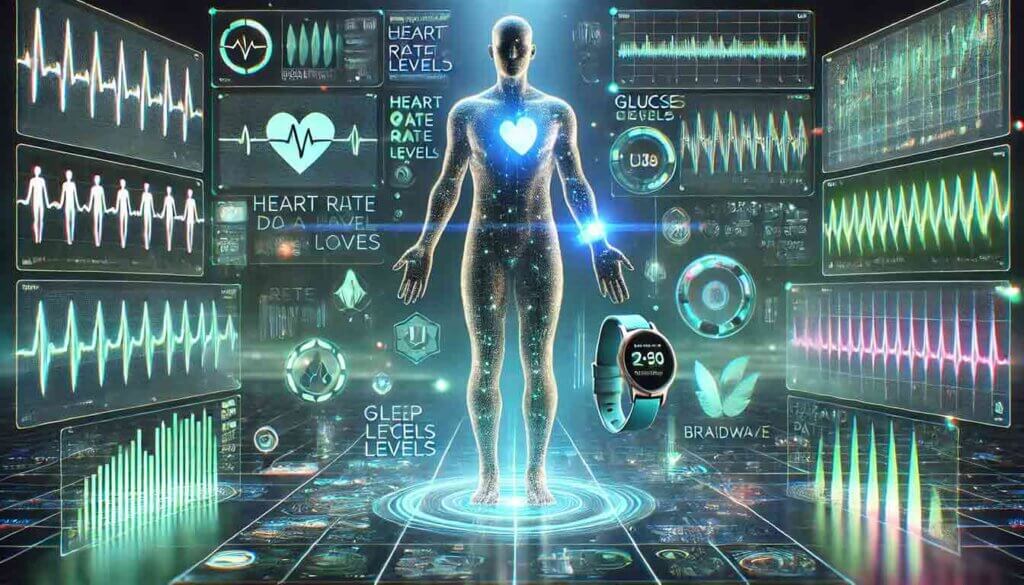
These biomarkers translate raw digital signals into meaningful health indicators. Heart rate variability, sleep patterns, gait speed, respiratory rate, voice modulation, and typing behavior can all function as digital biomarkers when analyzed using advanced algorithms and machine learning models.
The defining characteristic of digital biomarkers is continuous passive data collection. Rather than relying solely on clinical appointments, they enable persistent monitoring that reveals subtle trends long before symptoms escalate.
How Digital Biomarkers Work in Modern Healthcare
Digital biomarkers operate through a seamless integration of hardware, software, and analytics. Wearable devices collect raw data using embedded sensors. These signals are transmitted to secure cloud platforms where artificial intelligence systems analyze patterns and detect deviations.
The process transforms unstructured sensor data into clinically actionable insights. For example, accelerometer data becomes gait analysis. Microphone inputs become speech-based cognitive markers. Skin temperature readings evolve into metabolic trend indicators.
Healthcare providers use these insights to support diagnosis, treatment adjustments, and long-term monitoring. Pharmaceutical companies integrate digital biomarkers into decentralized clinical trials, enhancing participant engagement and improving data quality. Employers leverage them in corporate wellness programs to promote preventive health initiatives.
This transition from reactive medicine to proactive health intelligence represents a structural shift in global healthcare systems.
Why Digital Biomarkers Are the Future of Health Tracking
The rise of digital biomarkers is driven by several transformative factors. Healthcare systems face rising chronic disease rates, aging populations, and cost pressures. Continuous monitoring offers early detection and intervention, reducing hospitalizations and improving outcomes.
Digital biomarkers enable:
- Real-time disease tracking
- Remote patient monitoring
- Personalized treatment optimization
- Behavior-based health predictions
- Improved medication adherence tracking
Unlike periodic lab tests, digital health metrics reflect everyday living conditions. This ecological validity enhances accuracy and supports long-term health management strategies.
As artificial intelligence becomes more sophisticated, predictive modeling using digital biomarkers will enable disease forecasting with remarkable precision. Early signs of cardiovascular disease, neurodegenerative decline, respiratory instability, and metabolic imbalance can be detected months or even years before traditional clinical symptoms emerge.
Digital Biomarkers in Chronic Disease Management
Chronic conditions account for the majority of global healthcare expenditures. Digital biomarkers are transforming how these diseases are managed.
In cardiovascular health, wearable ECG sensors track heart rhythm irregularities continuously. Variations in heart rate variability can signal stress, arrhythmias, or impending cardiac events. Blood oxygen saturation sensors assist in respiratory condition monitoring, especially in chronic obstructive pulmonary disease and asthma management.
For diabetes care, continuous glucose monitoring systems provide minute-by-minute glucose readings. These digital biomarkers allow precise insulin dosing and dietary adjustments, reducing complications and improving quality of life.
Neurological disorders benefit significantly from digital monitoring. Gait analysis, tremor tracking, and speech pattern recognition can detect early progression in conditions such as Parkinson’s disease and Alzheimer’s-related cognitive impairment. Digital biomarkers provide objective measures that supplement clinical assessments.
Mental health monitoring is another frontier. Smartphone usage patterns, sleep disruption, typing cadence, and voice tone changes can serve as digital signals indicating anxiety, depression, or mood instability. These insights allow earlier interventions and personalized therapeutic strategies.
Digital Biomarkers in Clinical Trials and Drug Development
Pharmaceutical research is undergoing rapid digitization. Digital biomarkers play a pivotal role in decentralized and hybrid clinical trials. Traditional trials rely heavily on self-reporting and intermittent clinic visits. Digital biomarkers provide continuous, objective endpoints.
Remote monitoring reduces participant dropout rates and expands access to geographically diverse populations. Real-time safety monitoring enhances risk detection. Digital endpoints improve measurement sensitivity, allowing smaller sample sizes and shorter trial durations.
Regulatory agencies increasingly recognize digital biomarkers as valid clinical endpoints, provided they meet validation standards for reliability and reproducibility. This recognition accelerates innovation while maintaining rigorous scientific oversight.
The integration of digital biomarkers into drug development pipelines enhances efficiency, reduces costs, and improves therapeutic precision.
Artificial Intelligence and Predictive Health Analytics
Artificial intelligence amplifies the power of digital biomarkers. Raw data alone holds limited value. Advanced analytics convert continuous streams into predictive insights.
Machine learning models identify subtle correlations between behavioral signals and disease onset. Predictive analytics platforms assess risk probabilities based on cumulative health trends. Personalized dashboards translate complex datasets into understandable health narratives for clinicians and patients alike.
Predictive modeling enables preventive care strategies that reduce emergency interventions and hospital admissions. Health systems transition from reactive response models to anticipatory care frameworks built on real-time digital evidence.
The combination of digital biomarkers and AI represents one of the most powerful innovations in modern healthcare infrastructure.
Data Privacy, Security, and Ethical Considerations
With the expansion of digital health data comes responsibility. Digital biomarkers generate vast volumes of sensitive personal information. Secure encryption, compliance with global privacy regulations, and transparent consent frameworks are essential.
Ethical governance ensures data is used responsibly, avoiding discrimination or misuse. Patients must maintain control over how their data is shared and analyzed. Trust remains foundational to large-scale adoption.
Healthcare organizations that prioritize cybersecurity and ethical data stewardship strengthen patient confidence and long-term sustainability.
Integration with Wearables and Smart Devices
The consumer health technology market has accelerated digital biomarker adoption. Smartwatches, fitness trackers, smart rings, biosensing patches, and mobile health applications collect extensive physiological data daily.
As sensor accuracy improves, consumer devices increasingly meet clinical-grade standards. Advanced photoplethysmography sensors measure blood flow. Motion detectors analyze musculoskeletal patterns. Sleep algorithms interpret circadian rhythms.
The boundary between consumer wellness tools and regulated medical devices continues to narrow. This convergence expands access to health insights while fostering preventative engagement at the individual level.
Digital biomarkers embedded in everyday devices empower individuals to participate actively in their own health management.
Remote Patient Monitoring and Telehealth Expansion
Telehealth has evolved beyond video consultations. Remote patient monitoring programs rely heavily on digital biomarkers to deliver high-quality care outside hospital settings.
Patients recovering from surgery can transmit vital signs to clinicians in real time. Heart failure patients receive continuous cardiac monitoring to prevent readmission. Respiratory patients use connected spirometers to track lung performance remotely.
Healthcare providers gain comprehensive visibility without requiring physical visits. This approach improves care continuity, reduces healthcare costs, and enhances patient satisfaction.
Digital biomarkers serve as the backbone of scalable telemedicine ecosystems.
Regulatory Landscape and Standardization
The regulatory environment surrounding digital biomarkers continues to mature. Validation frameworks emphasize reproducibility, analytical accuracy, and clinical relevance. Standardization ensures consistency across devices and platforms.
International collaboration among regulatory authorities, technology companies, and healthcare institutions fosters responsible innovation. Clear guidelines support widespread adoption while protecting patient safety.
As standardization advances, interoperability between digital health systems will become more seamless, enabling integrated healthcare networks across regions.
Economic Impact and Market Growth
The global digital health market is expanding rapidly, with digital biomarkers representing a high-growth segment. Investment in remote monitoring technologies, AI-driven analytics, and wearable innovation continues to accelerate.
Healthcare systems view digital biomarkers as cost-containment tools. Early detection reduces emergency interventions. Continuous monitoring minimizes hospital stays. Data-driven treatment optimization decreases unnecessary procedures.
Corporate wellness programs integrate digital biomarker platforms to reduce absenteeism and improve workforce productivity. Insurance providers explore incentive models based on verified health engagement metrics.
The economic implications extend across public and private sectors, reshaping healthcare financing models worldwide.
Future Applications and Emerging Innovations
The next decade will witness exponential advancements in digital biomarker sophistication. Emerging biosensors will measure biochemical markers non-invasively through skin or breath analysis. Smart textiles embedded with nanosensors may continuously assess muscle fatigue, hydration levels, and cardiovascular stress.
Voice analytics platforms will refine neurological screening capabilities. Behavioral biometrics will enhance early mental health detection. Multi-modal data fusion will combine physiological, environmental, and genetic inputs to generate holistic health profiles.
Quantum computing and edge processing technologies will enhance real-time analytics capacity. Precision medicine initiatives will rely increasingly on integrated digital biomarker ecosystems.
The convergence of biotechnology, data science, and connected devices positions digital biomarkers at the center of future healthcare transformation.
The Strategic Role of Digital Biomarkers in Modern Medicine
Digital biomarkers represent a paradigm shift in how health is measured and managed. By enabling continuous, real-world data collection, they provide unparalleled visibility into physiological and behavioral dynamics. Their integration into chronic disease management, clinical research, remote monitoring, and predictive analytics signals a permanent transformation in healthcare infrastructure.
Organizations that adopt digital biomarker strategies gain competitive advantages in efficiency, patient engagement, and clinical outcomes. Healthcare systems that leverage continuous monitoring reduce costs while improving quality of care.
The future of medicine is data-driven, predictive, and personalized. Digital biomarkers stand at the forefront of this evolution, defining the next frontier in health tracking and establishing a new global standard for intelligent healthcare innovation.
Frequently Asked Questions
1. What is a digital biomarker in simple terms?
A digital biomarker is measurable health-related data collected through digital devices such as wearables, smartphones, or remote sensors. It translates physiological or behavioral signals—like heart rate, sleep patterns, movement, or voice changes—into actionable health insights that can support diagnosis, monitoring, and prevention.
2. How are digital biomarkers different from traditional biomarkers?
Traditional biomarkers are typically obtained through lab tests, imaging, or clinical procedures performed during medical visits. Digital biomarkers, by contrast, are continuously collected in real-world settings using connected technologies. This allows for real-time monitoring and early detection of health changes rather than relying solely on periodic assessments.
3. Are digital biomarkers accurate enough for clinical use?
Yes, when properly validated and regulated, digital biomarkers can meet clinical-grade standards. Many wearable devices and remote monitoring systems undergo rigorous testing to ensure accuracy, reproducibility, and reliability. Regulatory bodies increasingly recognize validated digital biomarkers as acceptable endpoints in clinical trials and patient care programs.
4. What health conditions can digital biomarkers help monitor?
Digital biomarkers are widely used in cardiovascular disease, diabetes management, respiratory disorders, neurological conditions, and mental health monitoring. They can track heart rhythm irregularities, glucose levels, oxygen saturation, gait changes, sleep disturbances, and behavioral shifts that may indicate early disease progression.
5. Is personal data from digital biomarkers secure and private?
Digital health platforms are designed with encryption, secure cloud storage, and compliance with healthcare data protection regulations. Ethical data governance ensures patient consent, transparency, and controlled data sharing. However, users should always verify that devices and platforms meet recognized security and privacy standards before adoption.