
The Evolution Beyond Step Counting
A New Era of Health Monitoring
The landscape of personal health technology has undergone a remarkable transformation in recent years. While traditional fitness trackers often focused primarily on activity metrics like steps and calories burned, a new generation of wearable devices is emerging that offers far more comprehensive health insights. Smart rings, in particular, represent a fascinating shift toward discreet, continuous health monitoring that goes well beyond basic activity tracking.
These compact devices are quietly revolutionizing how we approach longevity and preventive healthcare. Unlike their bulkier predecessors, smart rings offer 24/7 health monitoring in an elegant, barely-noticeable form factor. They’re designed to capture the subtle physiological signals that may provide early indicators of health changes, stress levels, and recovery patterns—data that can be invaluable for those seeking to optimize their healthspan and longevity.

The Sophisticated Technology Packed Into a Ring
Advanced Sensors in Miniaturized Form
The technology behind modern smart rings is remarkably sophisticated, considering the space constraints. At the heart of most devices lies photoplethysmography (PPG) technology, which uses infrared light to detect blood volume changes in your finger. This seemingly simple approach can reveal a wealth of information about your cardiovascular health, including heart rate, heart rate variability, and blood oxygen saturation levels.
However, it’s worth noting that PPG sensors aren’t always perfectly reliable. Factors like skin tone, ambient temperature, and even nail polish can sometimes affect readings. Despite these limitations, the technology has improved significantly and tends to provide reasonably accurate data for most users when worn consistently.
Many smart rings also incorporate thermistors—sensitive temperature sensors that track your body temperature throughout the day and night. While these sensors don’t measure core body temperature directly, they can detect meaningful temperature trends that may indicate illness onset, stress responses, or circadian rhythm disruptions. The data becomes particularly valuable when analyzed over time, revealing patterns that might otherwise go unnoticed.
Extended Battery Life and Comfort
One of the most practical advantages of smart rings is their impressive battery life. Many models can operate for up to 10-12 days on a single charge, making them far more convenient for continuous monitoring than devices that require daily charging. This extended battery life, combined with lightweight materials and ergonomic design, makes them suitable for round-the-clock wear—including during sleep, when some of the most valuable health data is collected.
Comprehensive Health Metrics for Longevity
Heart Rate Variability: A Window Into Your Autonomic Health
Heart rate variability (HRV) has emerged as one of the most significant metrics for understanding overall health and longevity potential. Unlike simple heart rate monitoring, HRV measures the subtle variations in time between heartbeats, providing insights into how well your autonomic nervous system is functioning. Higher HRV generally indicates better cardiovascular health, improved stress resilience, and enhanced recovery capacity.
Smart rings excel at continuous HRV monitoring because they maintain consistent contact with your skin and can collect data during sleep—when HRV readings are often most meaningful. However, it’s important to understand that HRV can be influenced by many factors, including caffeine consumption, alcohol, stress, and illness, so trends over time are more valuable than individual readings.
Sleep Architecture and Recovery Insights
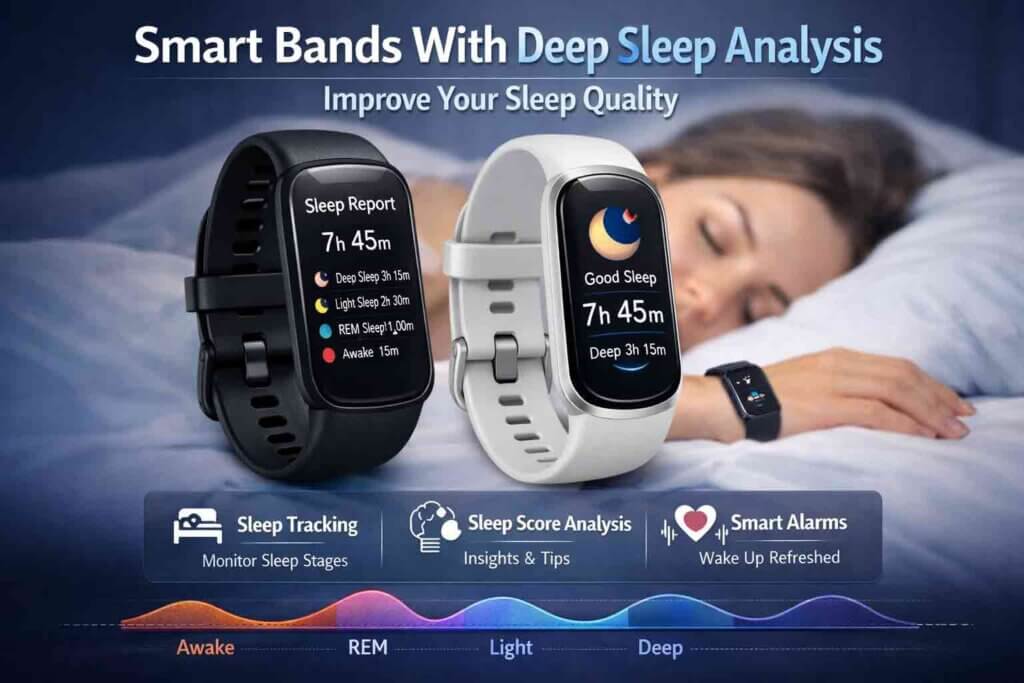
Perhaps nowhere do smart rings shine more than in sleep monitoring. By combining multiple sensors, these devices can provide detailed analysis of sleep stages, including light sleep, deep sleep, and REM cycles. This information goes far beyond simply tracking how long you slept—it reveals the quality and architecture of your sleep, which has profound implications for longevity and health.
Some advanced models can even detect potential sleep apnea episodes by monitoring blood oxygen levels and breathing patterns throughout the night. While this shouldn’t replace professional sleep studies, it can provide valuable early indicators that warrant further medical evaluation.
Temperature Trends and Circadian Health
Continuous temperature monitoring offers another layer of health insights that traditional wearables often miss. Your body temperature naturally fluctuates throughout the day and night, following your circadian rhythm. Disruptions to these patterns can indicate various health issues, from developing illness to hormonal changes or chronic stress.
The data becomes particularly powerful when viewed over weeks or months, revealing patterns that can inform lifestyle adjustments for better health outcomes. However, it’s worth noting that external factors like ambient temperature and physical activity can influence readings, so the data requires thoughtful interpretation.
Emerging Features and Integration
The most advanced smart rings are beginning to incorporate experimental features like non-invasive blood glucose monitoring, though this technology is still in early stages and may not always provide medical-grade accuracy. More established is the integration with popular health platforms, allowing users to create comprehensive health dashboards that combine data from multiple sources.
Many devices now offer real-time alerts for unusual readings, supporting a more proactive approach to health management. These notifications can help users identify patterns and make timely adjustments to their lifestyle or seek medical attention when warranted.
Contributing to Longevity Science
The Power of Longitudinal Data
Smart rings are contributing to longevity research in ways that were previously impossible. By collecting continuous, long-term data from thousands of users, researchers can identify patterns and correlations that advance our understanding of aging, metabolic health, and disease prevention. This type of longitudinal data collection is invaluable for understanding how lifestyle factors influence healthspan over time.
The personalized insights generated from this data can translate into actionable recommendations for improving longevity outcomes. However, it’s important to recognize that current smart rings have limitations compared to medical-grade devices, and environmental factors can sometimes influence sensor accuracy.
The real promise lies in early intervention—using subtle changes in physiological markers to identify potential health issues before they become serious problems. This preventive approach aligns perfectly with modern longevity science, which emphasizes the importance of maintaining health rather than simply treating disease.
User Experience and Practical Considerations
Discretion and Comfort
One of the most compelling aspects of smart rings is their discretion. Unlike bulkier wearables that can be cumbersome during certain activities or may not align with professional dress codes, smart rings blend seamlessly into daily life. This invisibility factor often leads to higher compliance rates and more consistent data collection.
The user experience extends to sophisticated app ecosystems that transform raw sensor data into meaningful insights. Quality smart rings typically offer intuitive interfaces, clear data visualization, and integration options with existing health platforms. Some premium models even feature luxury materials and customization options, making them as much a fashion statement as a health tool.
For those serious about longevity and health optimization, the blēo ring represents an excellent example of this technology’s potential. With its elegant stainless steel design and medical-grade sensors, it offers the kind of accurate, continuous monitoring that can provide genuine insights into your health patterns—all without the burden of monthly subscription fees that plague many competitors.
Looking Toward the Future
Advancing Sensor Technology and AI Integration
The future of smart rings looks increasingly promising as sensor technology continues to advance. Improvements in non-invasive glucose monitoring, blood pressure tracking, and core temperature measurement are on the horizon. AI-driven analytics are becoming more sophisticated, potentially enabling early detection of chronic conditions through subtle pattern recognition.
Integration with telemedicine platforms represents another exciting frontier, where continuous monitoring data could support remote patient care and virtual consultations. However, these advances also raise important questions about data privacy and security that the industry continues to address.
A Discreet Path to Better Health
Smart rings represent a significant evolution in personal health monitoring, offering comprehensive insights that extend far beyond traditional activity tracking. By providing continuous, discreet monitoring of key health metrics like HRV, sleep quality, and temperature trends, these devices are becoming valuable tools for anyone serious about longevity and preventive health.
As the technology continues to mature, smart rings may well become essential companions in our quest for longer, healthier lives. The key is choosing devices that prioritize accuracy, offer genuine insights without ongoing subscription costs, and integrate seamlessly into your lifestyle. Whether you’re just beginning your health optimization journey or looking to upgrade from basic activity tracking, smart rings offer a sophisticated yet accessible way to take control of your health data and, ultimately, your longevity.
Frequently Asked Questions
Can a smart ring help me live longer?
What health metrics do smart rings measure?
How accurate are smart rings for health monitoring?
Can a smart ring detect early signs of illness or stress?
How should I use a smart ring to improve longevity and healthspan?